What UX Tasks Will AI Be Able to Do, and When?
Jakob Nielsen · 25 November 2026
Read the originalJakob Nielsen argues that AI masters design tasks in the order their results can be cheaply checked, leaving people to choose what is worth doing.
Jakob Nielsen, a usability researcher who writes the UX Tigers newsletter, graded his 2025 forecast of how fast AI would master user-experience tasks and found four of five predictions right. He replaces his theory with one based on how cheaply a result can be checked, and sets out a timetable of tasks from 2026 to 2030.
- Studies he cites show AI drafting screens that meet 99% of a brief, yet agreeing only slightly with experts when auditing existing screens.
- He estimates that design and research work trails coding by about a year, because a usability result takes real users and several days to check.
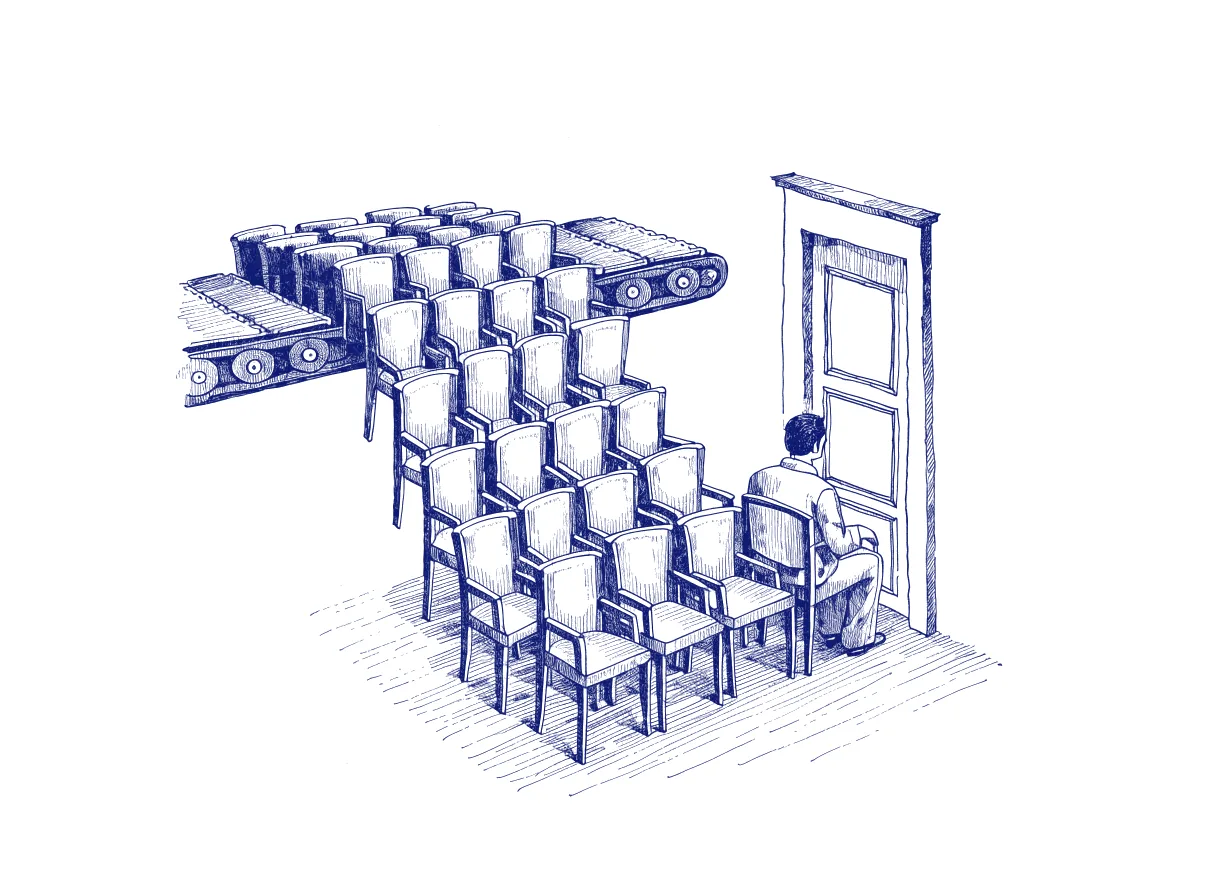
- With building cheap and checking slow, he expects teams to build several different candidates first and use user testing to choose one.
- He warns that an AI agent tuned on quick click and conversion data may recreate manipulative designs, so leaders must protect long-term retention.
A design team can spend less effort producing screens and more on choosing which problems to solve and testing which candidate works. The dates in the timetable are the author's own estimates. Several of the studies he cites are small or come from vendors, as he notes.
Build several divergent design candidates first, then use the available user-testing time to narrow them to one.
Derived by Working Surface from the article; more in the Playbook. Source line: So smart teams will invert the classic UX funnel: build several divergent candidates first, then spend their scarce user-testing time winnowing them down to the winner.
29 November 2026: when AI agents and other staff can build almost anything, a person other than the builder decides in writing which ideas become work and which rules the work follows.