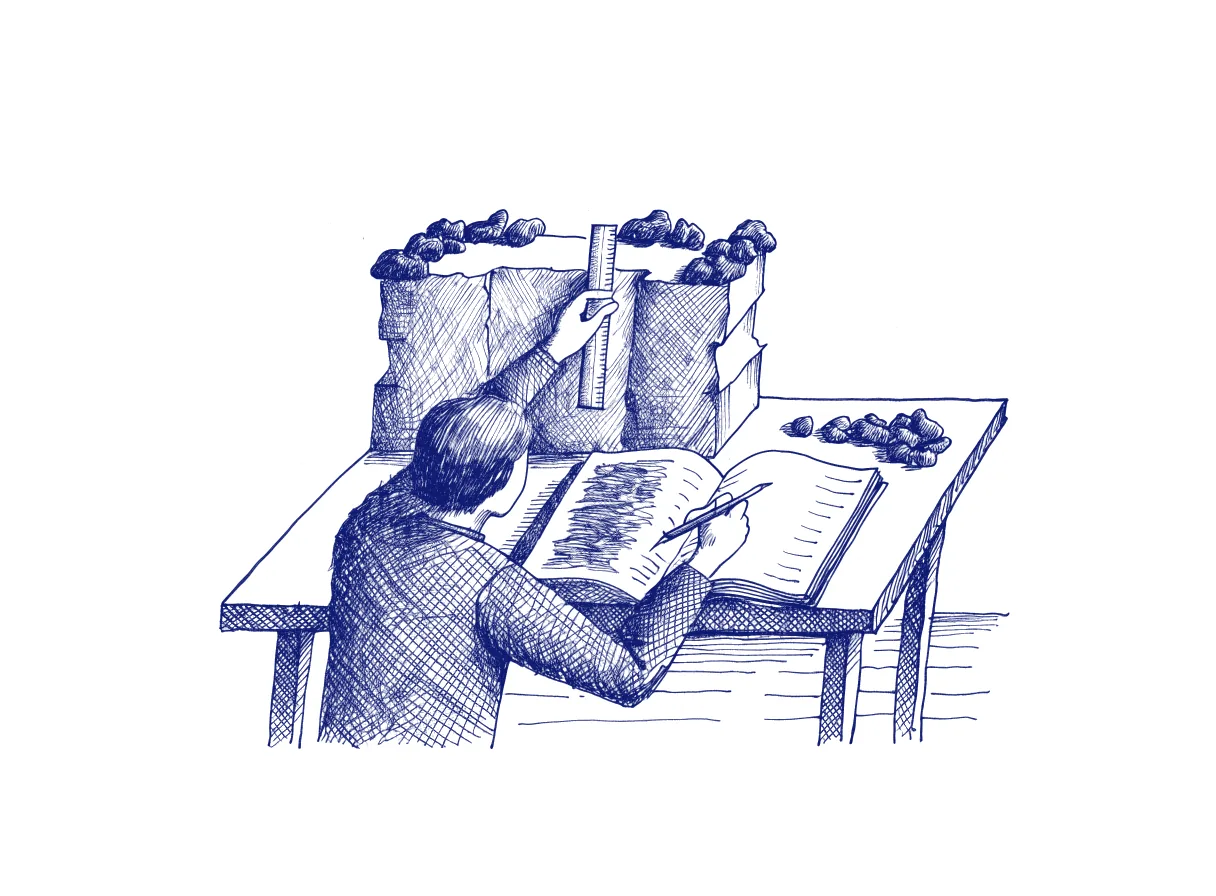
With AI, the prototype became the spec, and the document comes after
Marina Pires · 23 November 2026
Read the originalMarina Pires argues that when a working prototype costs an afternoon, the specification should come after it and record the decisions the prototype made without anyone choosing them.
Marina Pires argues in iMasters that the specification existed because building was expensive and writing about building was cheap. Now that one person can build a working version in an afternoon, she holds that the document written after testing a prototype tends to be better than one written before. The piece is an English translation of a Brazilian Portuguese original, and an editor's note says two of its quotes could not be confirmed against their sources.
- She cites the UX Tools Spring 2026 survey, in which 59.1 percent of 1,478 designers had built their own tool or application with AI in the previous six months.
- A prototype answers the question it was built for and also settles about forty others nobody asked, such as failure paths, empty states, data models and the accessibility of borrowed components.
- The real risk she names is a borrowed component, such as a date picker or a modal, that reaches production because it arrived inside a demo everyone liked.
- She asks teams three questions: when the prototype and the specification disagree, which one wins; which borrowed components entered the last build without a decision; and whether the flow could be defended in a live demo.
A team that builds first can write the specification after the prototype, as the record of what it decided, including the components nobody chose. This is one author's argument drawn from published research, not an account of a team that made the change.
After testing a prototype, list every borrowed component and default behaviour it contains, such as date pickers, modals and empty states, and mark which ones the team chose on purpose.
Agree as a team which one wins when a working prototype and the written specification disagree, and write that rule down.
Derived by Working Surface from the article; more in the Playbook. Source line: The prototype answers the question you asked, but it also answers, on its own, about forty questions you didn't ask.
25 November 2026: as AI agents produce more of the code, teams make checking automatic and write down what was decided, and people set the standard and name who approves what the checks cannot cover.