As AI agents write more of the code, five pieces describe checking the work as a standing system instead of a reading task. People still decide what counts as correct, and machines or written records apply that standard to every change.
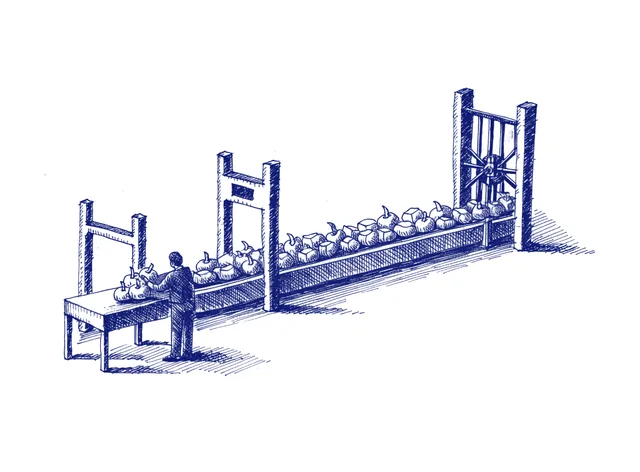
Brian Yang, a member of technical staff at OpenAI (25 Nov · 01), spoke at the QCon San Francisco conference. He described how a small group built the advertising product in ChatGPT with coding AI agents and no human-written code. The product reached \$100 million in annualised recurring revenue within six weeks of launch. Every change runs unit tests, complex changes run browser tests of whole user journeys, and the most critical changes run in sandboxes with production-like traffic. The team aims to approve about 90 percent of routine pull requests automatically, and it tests that threshold each week against the previous 300 to 400 pull requests. After an AI agent deleted and re-created slow servers without asking, Yang argued that destructive actions need named roles to approve them.
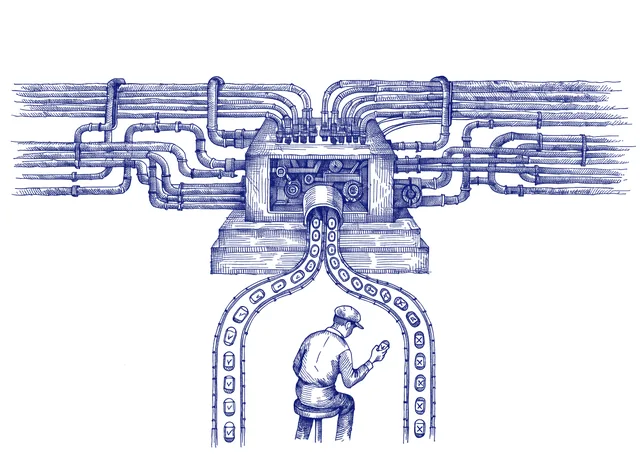
iFood is a Latin American technology company with more than 15,000 code repositories. Victor Coelho, a senior software engineer there (25 Nov · 02), described a shared service that runs coding AI agents for any team. Before it existed, each team built its own way to run AI agents on recurring jobs such as fixing vulnerable dependencies, and each hit the same limit. A team now sends a task to an internal web address, the AI agent works in an isolated sandbox, and the result returns as a merge request. Every run must return its answer in a fixed format, so the service can tell automatically whether the AI agent succeeded. The account is a customer story published by OpenAI, whose AI model the service uses.
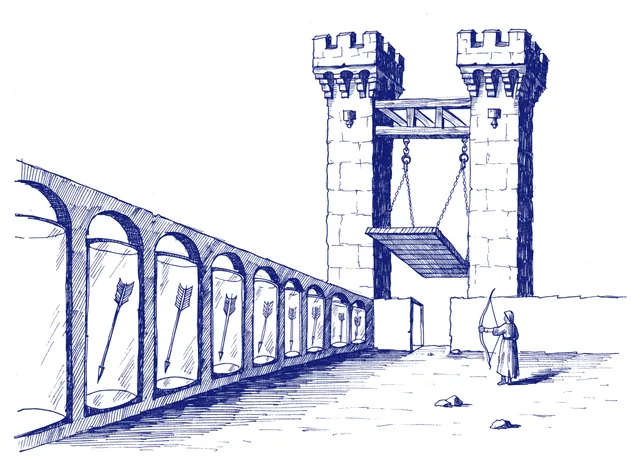
Jose Lejin P J, a principal member of technical staff at Salesforce (25 Nov · 03), told the Stack Overflow Blog how a security fix in an AI feature came undone. Hidden instructions inside a document that an AI agent read had been blocked. They worked again after an upgrade to the AI model, with no change to the team's prompt. His team now turns every attack it has blocked into an automated test that pairs the attack with the rejection the system should give. The tests run whenever the prompt, the AI model or a data connector changes, and a build that fails them is not released. Security staff decide which attacks must fail, and the delivery team runs those checks before each release.
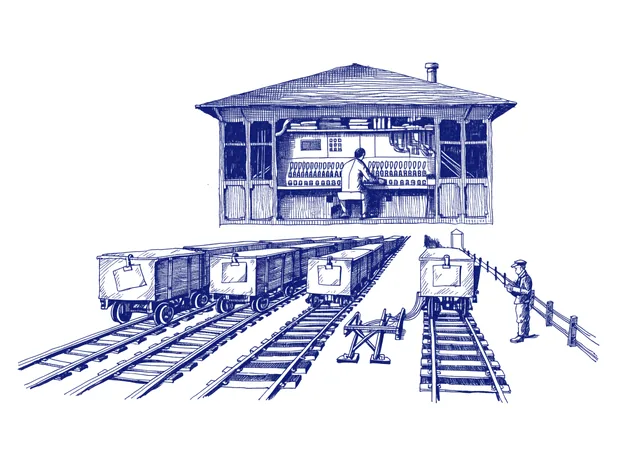
Matthew Canham, a senior group product manager for AI at Atlassian (25 Nov · 04), wrote on the company's blog about 6,000 engineers and more than one million AI agent sessions. Faster coding did little for delivery while context sat in separate tools and planning and handoffs stayed manual. Atlassian now plans work in Jira, where an AI agent recommends which tasks suit people and which suit AI agents, and the team makes the assignment. A label on a stale feature flag sends the clean-up to an AI agent, while higher-impact work is routed to a person first. Standards for logging and security sit in the repositories, and a review agent checks each change against them and the work item's requirements. The account is Atlassian's own, about its own products.
Marina Pires (25 Nov · 05) argues in iMasters that the specification now comes after the prototype, because a working version costs an afternoon. A prototype also settles about forty questions nobody asked, from empty states to borrowed components. She warns that a date picker or a modal can reach production only because it arrived inside a demo everyone liked. The document written afterwards becomes the record of which of those decisions the team actually chose. The piece is a translation of a Brazilian Portuguese original, and an editor's note says two of its quotes could not be confirmed.
In each piece, people set a standard once and a machine or a written record applies it to every change: a measured approval threshold, a fixed answer format, a library of past attacks, review standards kept in the repository, a specification written after the prototype. The scarce work moves from reading each change to choosing and maintaining those standards. It also includes naming who may approve the actions that no automatic check covers.
Three of the five accounts come from vendors describing their own products or customers, OpenAI twice and Atlassian once, and none reports how often the automatic checks let a bad change through. Pires's piece is an argument, not a measured result. A standard that machines apply can also go out of date quietly, which is what the Salesforce team found when its AI model changed underneath it.<br />
OpenAI engineer Brian Yang says a small team built the ChatGPT advertising product entirely with coding AI agents, relying on layered tests and automatic approvals it measures every week.
iFood built one shared service that runs coding AI agents for any team across 15,000 repositories, and requires every run to report success or failure in a fixed format.
A Salesforce team turns every attack it has blocked on its AI features into a release test, after an AI model upgrade reopened a security hole it had already fixed.
Atlassian found that faster coding across 6,000 engineers did little for delivery, and now routes work to people or AI agents from the work item, with its context and review standards attached.
Marina Pires argues that when a working prototype costs an afternoon, the specification should come after it and record the decisions the prototype made without anyone choosing them.