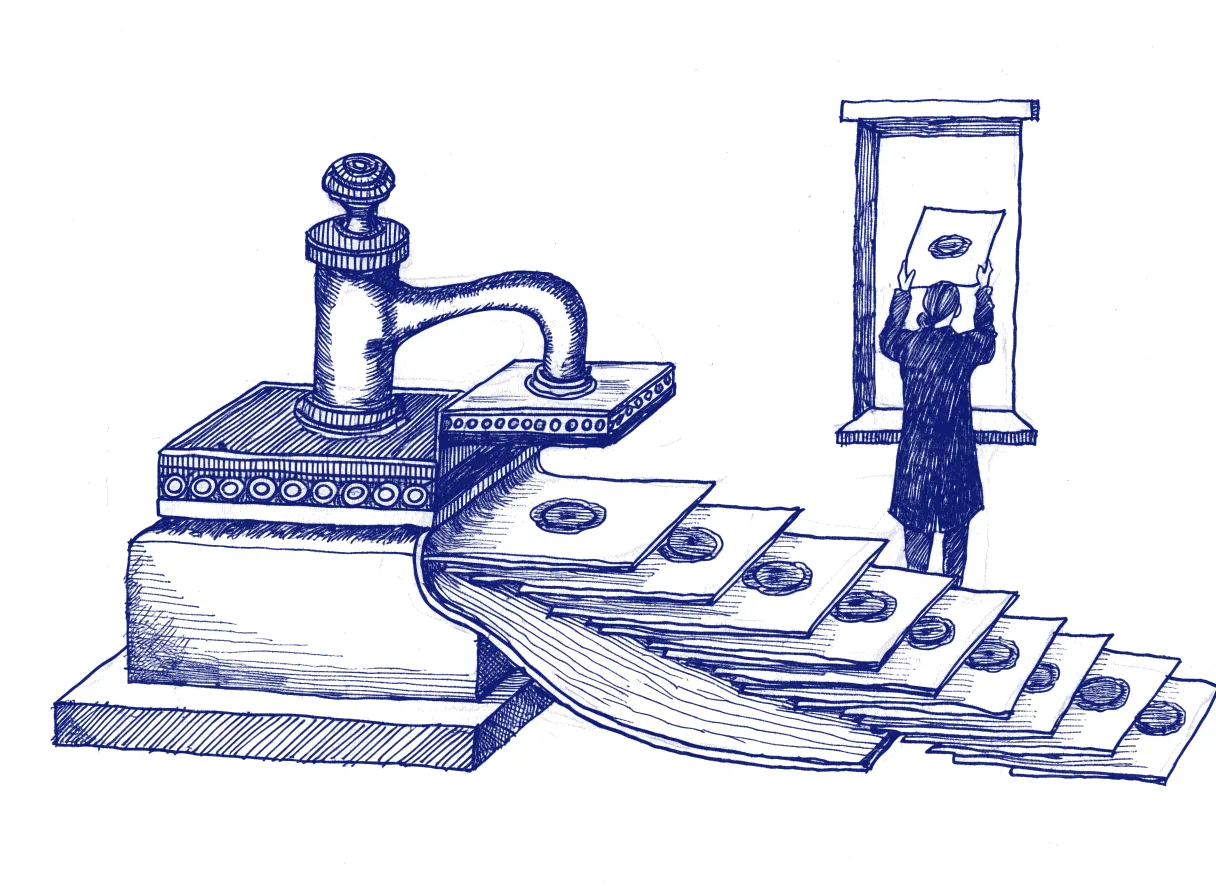
Writing is no longer proof of work
Sean Goedecke · 18 October 2026
Read the originalSean Goedecke argues that AI models have broken the practice of using written documents as proof that someone did the work, followed a process or understood a topic.
Sean Goedecke, a software engineer, argues that technology companies rely on writing as evidence, in the way that Bitcoin relies on computing work. He names three kinds: required forms such as risk assessments, which show compliance; tickets and long reports, which show effort; and managers' status reports, which show understanding. Since AI models can now produce such writing on demand, he argues, none of it proves anything.
- Companies check only a share of this writing, either after an incident or through occasional reviews.
- A manager's status report forces the manager to understand the team's work, but an AI model can now write one full of detail the manager never read.
- Goedecke lists possible responses, such as live presentations, bans on AI-written documents or AI review of an engineer's code, and finds none of them satisfactory.
- He advises engineers not to read AI-written documents closely and to spend careful writing only on documents meant to be read.
A team that uses written documents to check work, such as risk assessments on pull requests or status reports, may need another way to confirm the work was done. This is an inference and is not the author's claim.
Check a sample of required documents, such as risk assessments, against the work they describe.
Sort the team's documents into those colleagues will actually read and those that only record a step, such as risk assessments, and spend careful writing only on the first kind.
Derived by Working Surface from the article; more in the Playbook. Source line: Writing is no longer evidence of anything.
19 October 2026: AI tools have made documents and software cheap to produce, so organisations are changing how they check effort and who is allowed to build.