AI tools now produce documents and software that once cost real effort, so the effort no longer proves much. Two pieces this week show organisations adjusting to that, one by distrusting written evidence and one by giving everyone a tool to build.
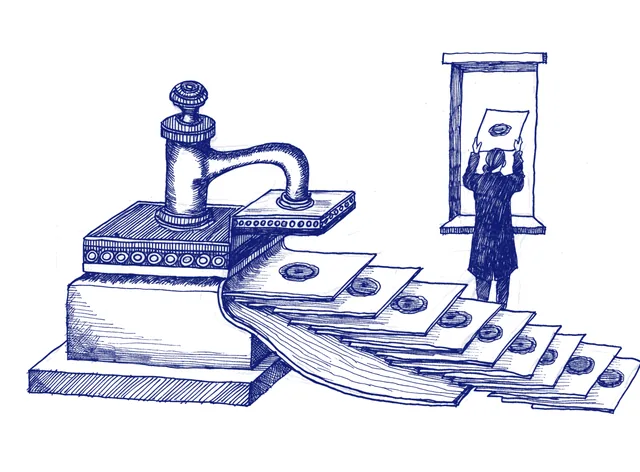
Sean Goedecke (19 Oct · 01), a software engineer who writes about how technology companies work, argues that companies use many documents as evidence rather than communication. A risk assessment shows a process was followed, a ticket shows effort, and a manager's status report shows the manager understands the team's work. AI models can now write all three without the work behind them, so the documents prove nothing. Goedecke has no clean fix. He advises engineers not to read AI-written documents closely and to save careful writing for documents meant to be read.
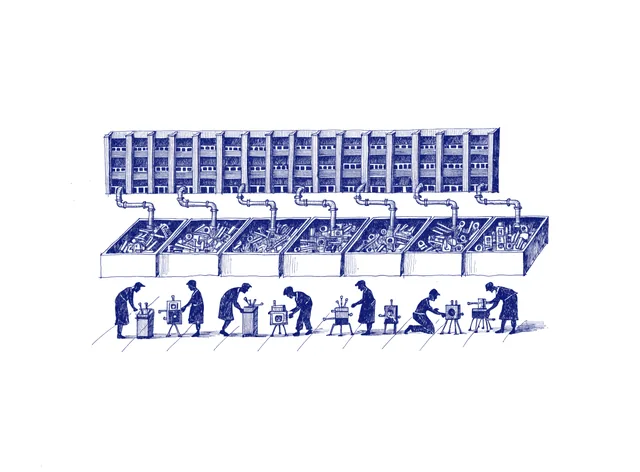
Gergely Orosz (19 Oct · 02), who writes The Pragmatic Engineer newsletter, reports on two companies that built their own app-making tools for staff. Ramp, a corporate card and finance software company, and Stripe, a payments company, each let non-engineers make working internal apps with AI. Ramp's tool, Glass, connects to internal systems and is now part of onboarding for new staff, and one person in marketing built a custom customer database with it. Stripe's tool, Harbor, was built by one engineer in about six weeks. Orosz lists the reasons: the tools are cheap to build, keep internal data safe, and follow the company's own design library.
Both pieces describe a cost that has fallen and an organisation that has not yet adjusted its checks. In Goedecke's account, the checks built on writing no longer prove effort or understanding. In Orosz's account, apps built by non-engineers are spreading inside companies faster than any review of them, and neither piece says who checks that work.
Goedecke offers no evidence that AI-written documents have caused harm, and Orosz reports adoption, not results, so both may describe a change that matters less than it appears.
Sean Goedecke argues that AI models have broken the practice of using written documents as proof that someone did the work, followed a process or understood a topic.
Ramp and Stripe each built an internal tool that lets non-engineers make working apps from company data, and Ramp's tool is now part of every new hire's onboarding.