Your error budgets don't know AI exists
Paul LaPosta · 30 September 2026
Read the originalPaul LaPosta, a DevOps leader writing in LeadDev, an engineering leadership publication, argues that AI makes changes cheap to produce but not to understand.
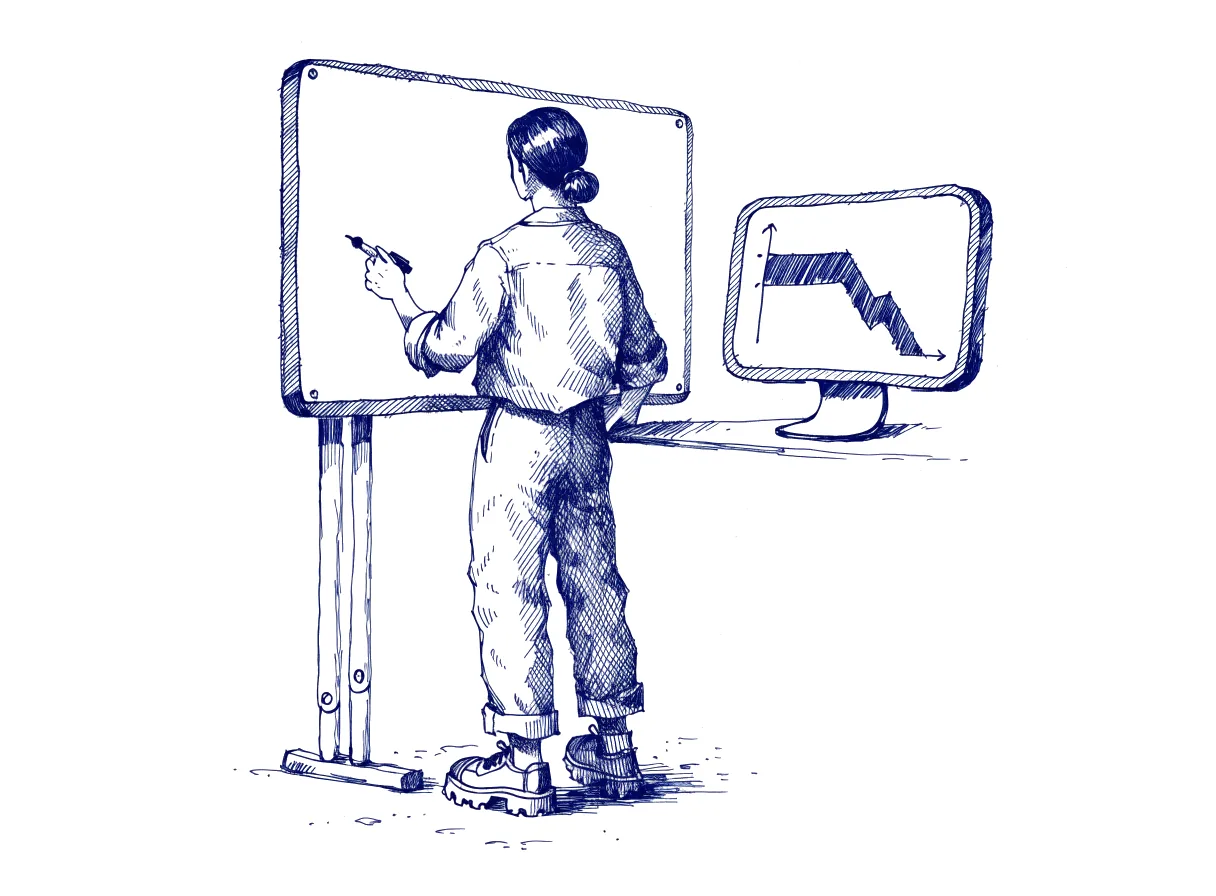
A change to a service fails and is rolled back quickly, but nobody on the owning team can explain why it failed. Paul LaPosta, a DevOps and cloud infrastructure leader writing for LeadDev, uses this scenario to open his argument. Error budgets and service-level objectives measure reliability, not how well a team understands a service. He says AI tools now write code, tests, reviews and documentation with less human contact, so teams ship more while understanding less of each change.
- An error budget can stay healthy while a team's understanding of a critical service thins, and nothing on a dashboard turns red.
- LaPosta proposes asking the owning team to explain recent consequential changes, the alternatives considered and the risks, without its go-to engineer and without the AI tool.
- Warning signs include merge requests reopened by the same engineers, routine rollbacks that turn into debates, and questions escalated to leadership that the team should settle itself.
- He advises against a comprehension score. Instead, a change that depends on one person or on the AI tool alone counts as riskier, and the team may delay the release.
Engineering managers could add an explanation check for changes to critical services before release; this is an inference and is not the author's claim. The piece is an opinion essay with no data from a named team.
Give the team that owns a critical service the authority to delay a release when it cannot explain a change, before any reliability target is breached.
Ask the team that owns a critical service to explain its recent consequential changes without its go-to engineer or its AI tool before approving the next release.
Derived by Working Surface from the article. Source line: AI can reduce the cost of producing a change without reducing the cost of understanding it.
1 October 2026: as AI agents make changes cheap to produce, teams need to check on purpose whether the people who own the work can still explain and judge it.