Generating Opportunity Solution Trees with AI: How Vistaly Rebuilt Its Product Around Interview Synthesis, Evals, and Repair Loops
Teresa Torres with Matt O'Connell, CP Dehli and Steve Klein · 1 October 2026
Read the originalVistaly rebuilt its product discovery software around an AI agent and taught the agent to record each edit as a named move, so users can see and correct what changed.
Vistaly makes opportunity solution tree software for product teams, which links a business outcome to customer problems and possible solutions. Its first AI version walked users through insights one at a time in a chat, and users found it too slow. In a Product Talk podcast, the three co-founders describe a full rewrite in which an AI agent drafts and updates the tree from uploaded customer interviews.
- The team rebuilt nearly all of the first version's features in two and a half months and stopped new sign-ups to the old version during the rewrite.
- A cheap code check, which flags a node with too many children, runs before the team pays for an AI model to grade the output.
- To balance two opposing errors, the team wrote four new automated tests of the AI output and tried 16 variants. The fix was to move the check into a repair loop inside the workflow, and that test now guards production.
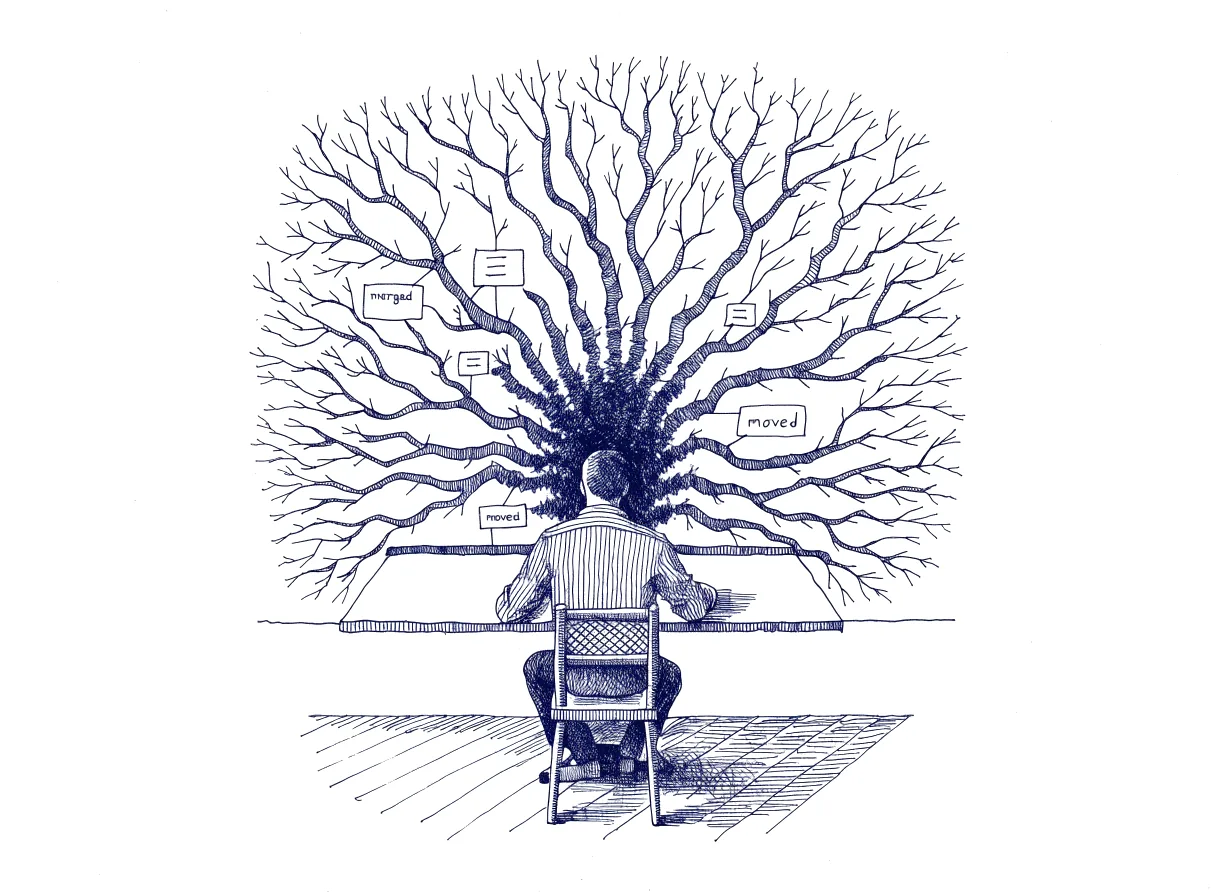
- The agent records each edit as a named move, such as merge, move or reframe. Comparing trees afterwards gives several valid change lists, and only one makes sense to a user.
- The founders report that users want the finished answer first and a way to correct it, instead of working through the analysis step by step with the AI.
A team building an AI agent that edits shared work can have it log edits in the user's own terms, so a reviewer can accept or undo each one. This is an inference and is not the authors' claim. Teresa Torres, the host, builds AI services for Vistaly. The full transcript is for paying subscribers, and only the open show notes were read.
Before an AI model grades an AI agent's output, run a free check in ordinary code first, such as a rule that flags a list with too many items.
Have the AI agent record each edit as a named move, such as merge, move or reframe, so users can see what changed.
Derived by Working Surface from the article; more in the Playbook. Source line: Change sets can't be diffed at the end.
5 October 2026: when AI agents produce the output, the remaining work is judging it: knowing the way to done and making each change visible to the person who must accept it.