Two pieces from the past week make the same claim from opposite ends of the work. Producing output with an AI agent has become the easier part. The harder part is the judgement around it: knowing the way to a finished change, and showing a person what the agent changed.
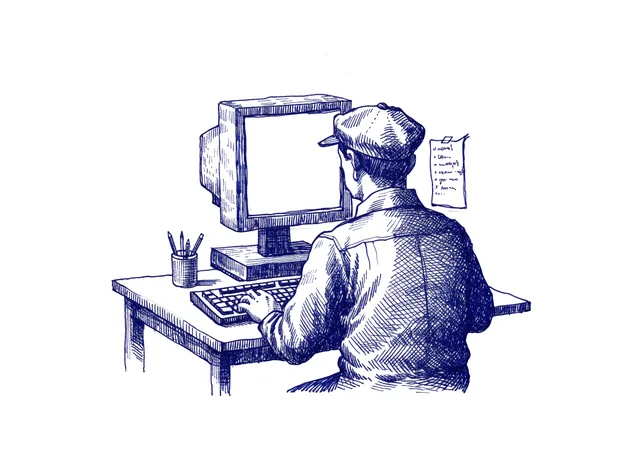
Sean Goedecke (5 Oct · 01) is a software engineer who writes essays about working at large technology companies. In a post dated 3 October, he argues that every senior skill, from design documents to leading small groups, rests on the ability to ship. Engineers who cannot ship give bloated estimates, propose designs that cannot succeed and turn small requests into large projects. He asks whether AI tools mean everyone can now ship and answers no, because shipping needs context about systems and people that AI models do not have. In a footnote he adds that even frontier AI models cannot be left to change a codebase unsupervised, and that engineers still need to read the code.
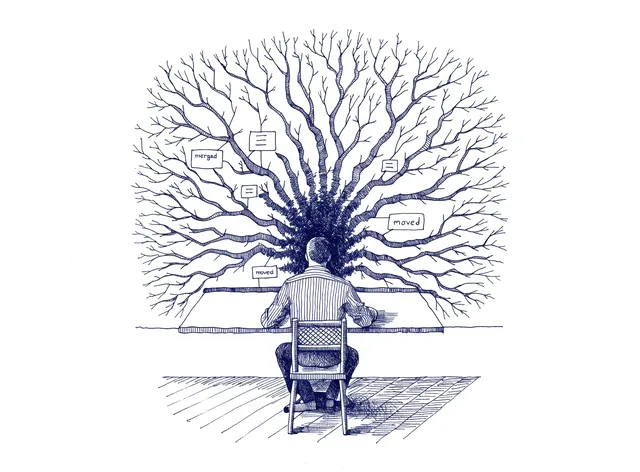
Vistaly (5 Oct · 02) makes software for product teams that map their research as an opportunity solution tree, a diagram linking a business outcome to customer problems and possible solutions. On 1 October, Teresa Torres published a Product Talk podcast with its three co-founders, Matt O'Connell, CP Dehli and Steve Klein. In the rebuilt product an AI agent drafts the tree from customer interviews, and the founders name their hardest problem as helping people understand what it changed. The team taught the agent to log each edit as a named move, such as merge or reframe, because a comparison of two trees can be read several ways.
Taken together, and as an inference rather than either author's claim, both pieces place the human work after the AI agent's output, where someone decides whether a change is right. Goedecke puts that judgement in the engineer who reads the code and knows the way to done. Vistaly builds part of it into the product, by showing users each change in terms they can accept or correct.
Goedecke offers a personal essay without data, and the Vistaly account comes from a host who builds AI services for the company. Neither shows that readable change records lead people to catch more errors than reviewing a finished result.
Software engineer Sean Goedecke argues that AI tools have not made shipping easy, because shipping needs context about systems and people that AI models lack.
Vistaly rebuilt its product discovery software around an AI agent and taught the agent to record each edit as a named move, so users can see and correct what changed.