For the days CI gets jammed: a record of verification improvements that tripled closed issues in fully automated AI agent development
tettuan · 21 November 2026
Read the originalA developer running four Claude Code AI agents tripled the issues closed each week by batching their work through one integration branch after testing capacity stalled the project.
A developer who writes as tettuan published an account in Japanese of building Senlygan Desktop, a market analysis app, with four Claude Code AI agents writing all the code. In October the project stalled for four weeks because pull requests queued for a single test machine per operating system. In early November the author changed how the agents' work reached testing, and every remaining issue was closed within three weeks.
- Before the change, 150 to 200 pull requests a week went straight to the release branch, and jobs waited more than 100 hours a week for a test machine.
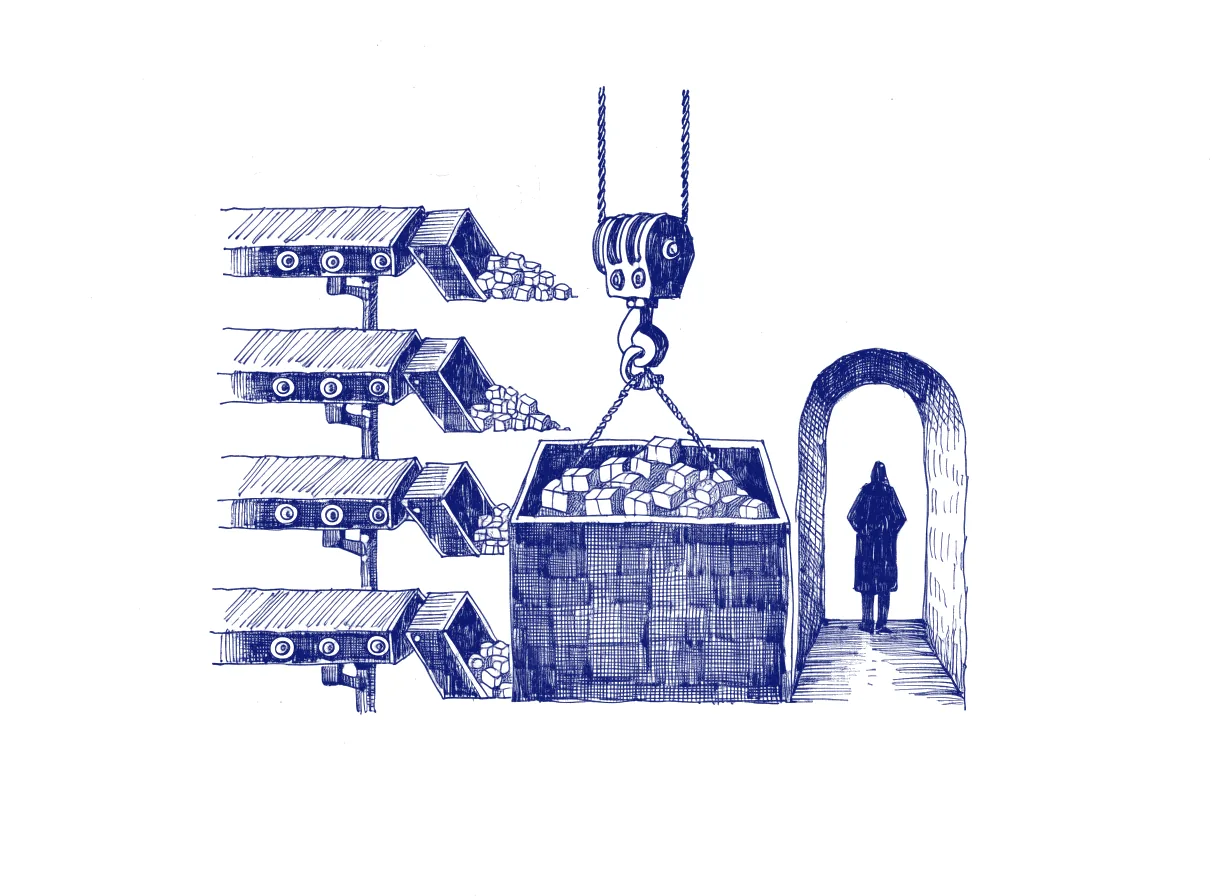
- The agents now merge work locally into one integration branch, which is frozen and fully tested once, with only one pull request to the release branch at a time.
- A skill bundles related issues so that one round of work and testing closes several, and during work the agents test only what a change affects.
- Waiting time fell to 9 to 12 hours a week, and closed issues rose from about 30 to more than 100 a week. Test time per issue fell from 40–68 minutes to 8–10 minutes.
Engineering teams running several AI agents in parallel may need to plan testing capacity and merge order as carefully as the coding work. This is an inference from a one-person project, and the author notes that the effect of each change could not be separated.
Have AI agents merge their branches into one integration branch and run the full test suite once on that frozen branch before a single pull request to release.
Group related issues into one batch before giving them to an AI coding agent, so that one round of coding and one test run closes them all.
22 November 2026: as AI agents make building cheap, the check before production limits the pace, so teams are redesigning who sponsors early builds, what evidence a change must carry, how agent work is batched for testing and how much one person reviews.