AI agents now write code faster than teams can decide what that code should do. Four writers argue that the scarce work has moved to judgement: what to build and what to leave out, what to check, and how teams stay aligned.
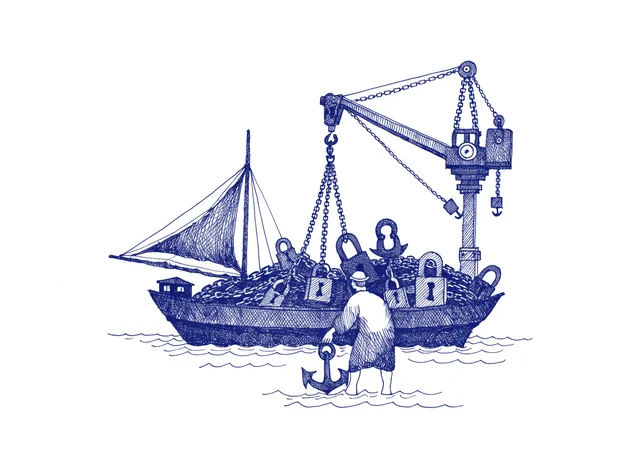
Sean Goedecke (20 Oct · 01), a software engineer who writes about system design, says good systems come from deciding which requirements to drop. A cache can accept slightly stale data, and a database can give up concurrent writes. Coding agents lack that business context, so they add safeguards nobody asked for, such as locks and repeated checks. Goedecke says that about half the large AI-generated changes he reviews carry such an unneeded requirement. His practice is to state in the prompt what the code may ignore, and to scan each change first for added locks and layers.
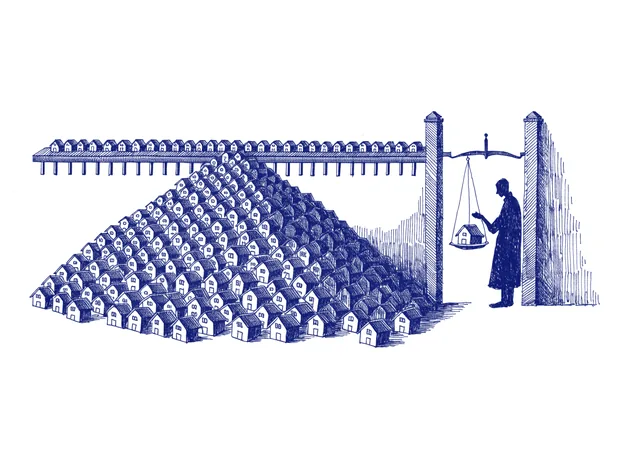
Chris Ford (20 Oct · 02), Chief Architect at Thoughtworks, the technology consultancy, describes what chief technology officers and engineering directors are planning for as code gets cheap. He says rich prototypes are now easy, so the hard part has moved from building software to finding out whether it is right. He asks teams to track "validation debt" as seriously as technical debt. He also proposes a new test of code quality: whether an AI agent can keep working in the code without wasting effort or getting confused.
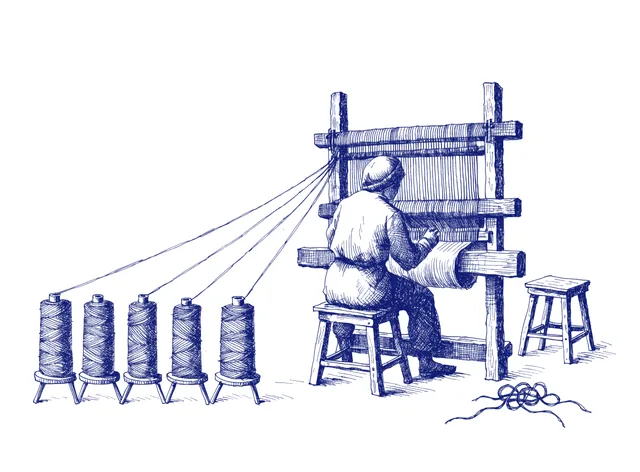
Liz de Moll (20 Oct · 03), a senior software engineering manager at Auth0 by Okta, which sells login and identity services, answers claims that AI makes engineering managers unnecessary. She agrees that AI should take over status updates. She says the work that remains is coaching, setting priorities and translating strategy between teams. During her two parental leaves, her teams kept shipping, but expectations blurred and engineers were pulled into coordination work. She argues that faster code raises the cost of misalignment, because product decisions, testing, security and rollout have not sped up.
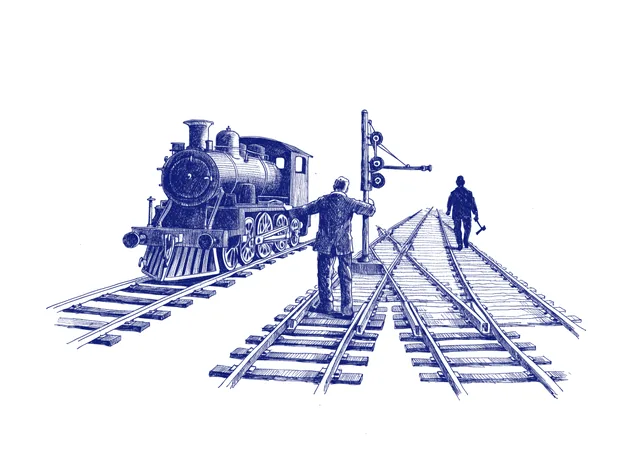
Riccardo Cocetta (20 Oct · 04), who leads engineering excellence at Auth0 by Okta, says the step from a well-defined idea to a pull request is now solved. The hard problems are deciding what to build and checking that fast, agent-written code keeps its quality. Before a feature is built, he asks whether it adds value for customers, states a clear problem, fits the product and fits the financial strategy. He would spend deep validation on the riskiest code and keep a person merging there. Where mistakes cost little, agents' changes could merge automatically.
All four treat the speed of AI-written code as settled and ask what it leaves for people to do. The answer they share, as an inference across the four pieces, is judgement about scope, about whether the work is right, and about how separate teams fit together. Ford and Cocetta both put validation at the centre, and Goedecke and Cocetta both ask teams to say no to work.
All four pieces are opinion with few figures, and Goedecke's estimate rests on his own reviews. Cocetta writes on his employer's blog and reports no results from Auth0's own teams. Better instructions for agents, or AI tools that coordinate teams, could absorb much of the judgement work these writers describe.
Sean Goedecke, a software engineer and writer on system design, says that about half the large AI-generated changes he reviews add a requirement nobody asked for.
Chris Ford, Chief Architect at Thoughtworks, says cheap code moves the hard work from building software to checking it is right, and asks teams to track that checking.
Liz de Moll, an engineering manager at Auth0, says AI can take over status updates, but coaching and aligning teams still need a manager as code gets faster.
Riccardo Cocetta, VP of Engineering at Auth0, says the step from idea to pull request is solved, so the hard work is choosing what to build and validating the result.