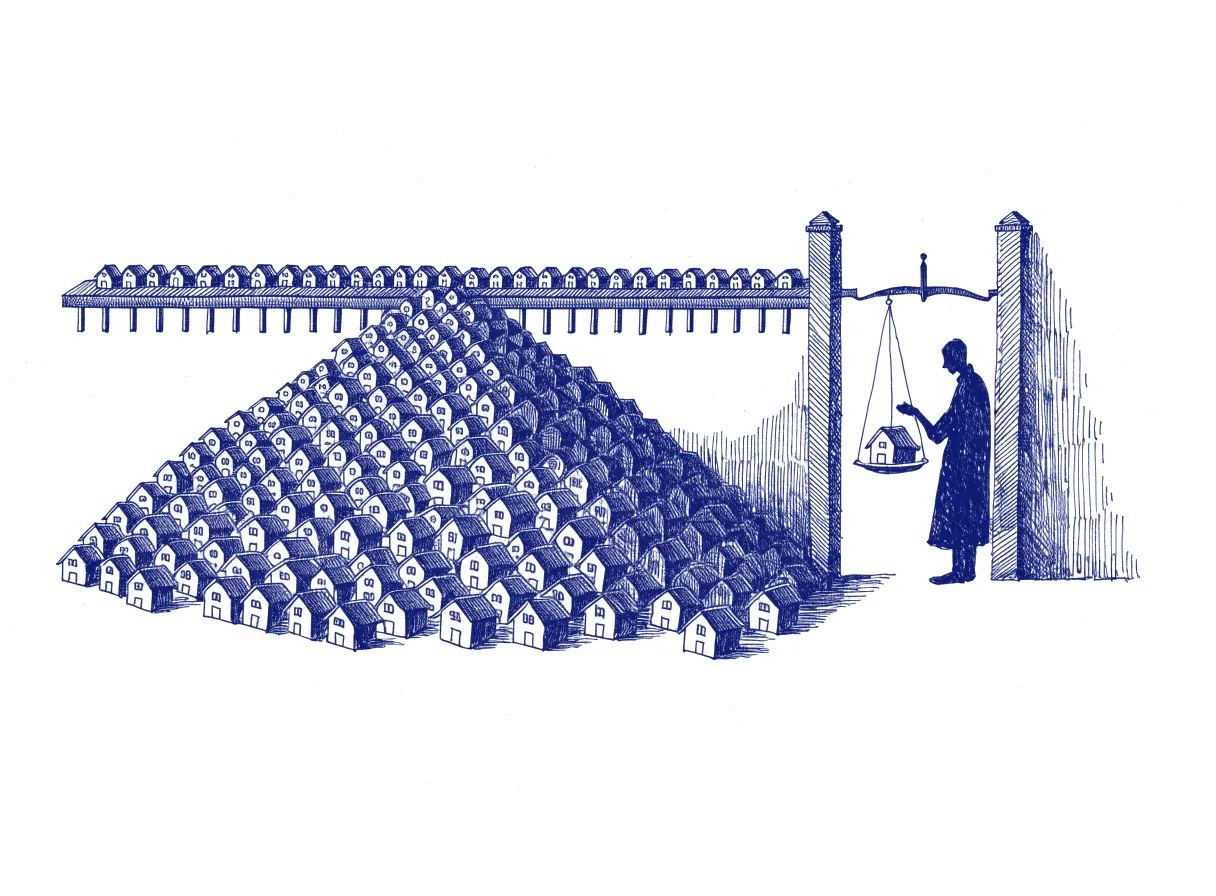
Cheaper code won't kill software development, but it’s already reshaping it
Chris Ford · 19 October 2026
Read the originalChris Ford, Chief Architect at Thoughtworks, says cheap code moves the hard work from building software to checking it is right, and asks teams to track that checking.
Ford, whose work at Thoughtworks has moved from writing code to shaping projects, lists the trends that chief technology officers and engineering directors have raised with him. They run from what is happening now to what is still speculative, and the piece is adapted from his talk at XConf 2026.
- Rich prototypes are now easy to build, so the hard question is whether the product is right, checked against real users and real needs.
- Some technology leaders now weigh spending on people, on software and on AI usage fees, and projects will need to estimate AI usage as well as time.
- Ford proposes judging code quality by whether an AI agent can keep working effectively in the code base, which a team can test by watching the agent make a change.
- He warns that companies which answer quality gains by demanding more speed will drift towards the lowest quality users will accept.
A product team can keep a list of what it has built but not yet checked with users, alongside its list of technical debt. The piece is a forecast by a consultancy's chief architect, not a report of one team's results.
Keep a written list of the features the team has built but not yet checked with real users, and track it alongside the technical debt backlog.
To test a code base's quality, give an AI coding agent a small change to make in it and note where it wastes effort or gets confused.
Derived by Working Surface from the article; more in the Playbook. Source line: I'd encourage teams to track validation debt as seriously as technical debt.
20 October 2026: as AI agents make code fast to write, the scarce work moves to human judgement about what to build, what to leave out, whether the work is right, and how teams stay aligned.