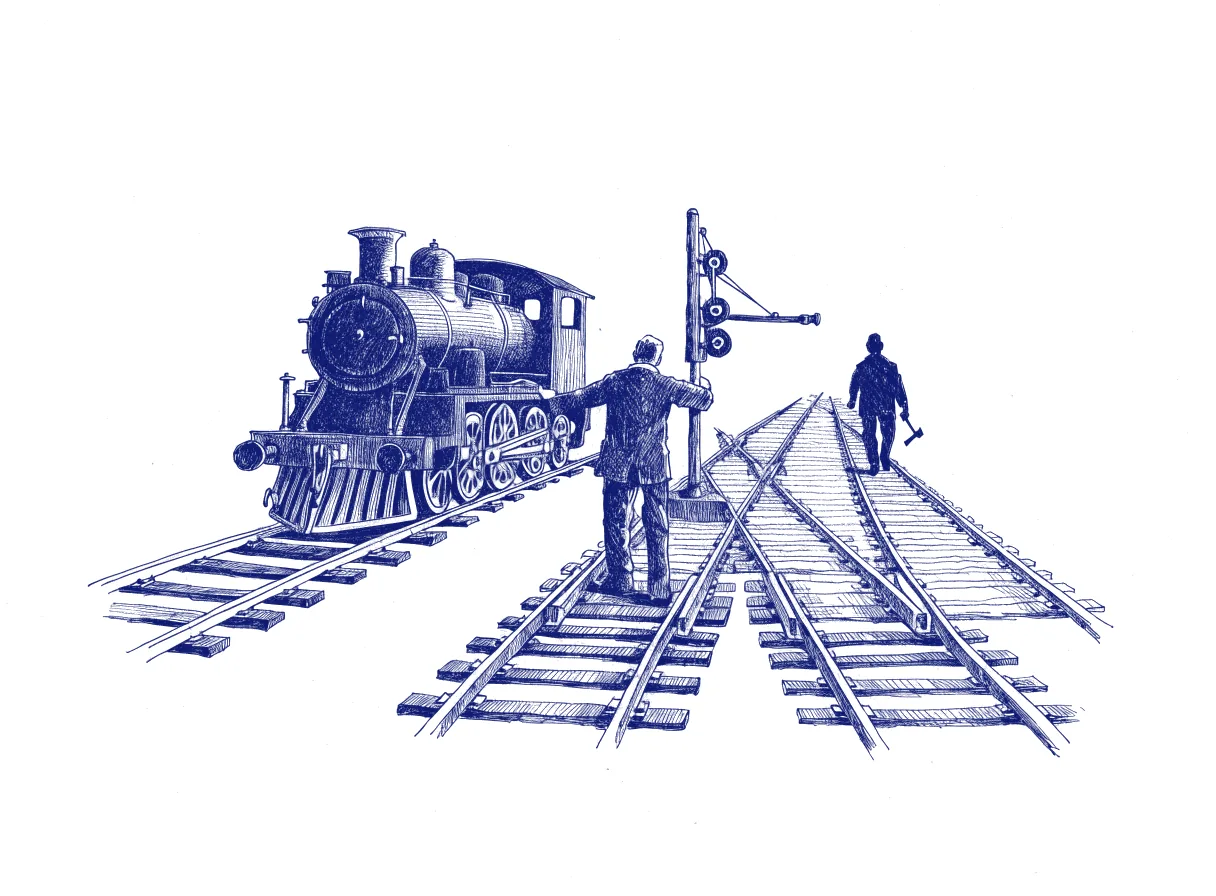
Agentic Development: Time to Shift the Focus
Riccardo Cocetta · 16 October 2026
Read the originalRiccardo Cocetta, VP of Engineering at Auth0, says the step from idea to pull request is solved, so the hard work is choosing what to build and validating the result.
Riccardo Cocetta leads engineering excellence at Auth0, part of Okta, which sells login and identity services. He argues that tools which turn a written requirement into a pull request are now commonplace. The new hard problems are deciding what to build and checking that fast, agent-written code keeps the quality customers expect.
- He proposes four questions before a feature is built. They ask whether it adds value for customers, states its problem clearly, fits the product and fits the company's financial strategy.
- Shipping safely, in his account, means keeping functionality, performance, security, resilience, compliance and code quality intact.
- He maps existing checks to those qualities, from unit and contract tests to security scanning, AI-based code review and gradual roll-out.
- Deep validation is expensive, so he would spend it on the riskiest code and still wait for a person to merge there. In low-risk areas, agents' changes could merge automatically.
An engineering team that lets agents write code can decide, part by part, which code still waits for a person to merge, as Cocetta suggests. The piece is an opinion on Auth0's company blog and gives no results from Auth0's own teams.
Rank each part of the code base by the harm a mistake there would cause, and require a human merge for agent changes only in the riskiest parts.
Before a feature is built, write down the customer value it adds, the problem it solves, how it fits the product and how it fits the financial strategy.
Derived by Working Surface from the article; more in the Playbook. Source line: The middle section of agentic based development is commoditized.
20 October 2026: as AI agents make code fast to write, the scarce work moves to human judgement about what to build, what to leave out, whether the work is right, and how teams stay aligned.