AI agents now produce code and prototypes faster than people can read them or agree on them. Six pieces from 5 to 7 October show teams deciding where human checks and decisions must sit.
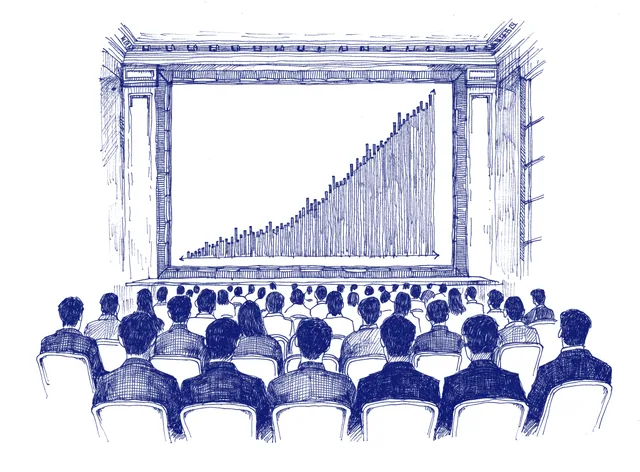
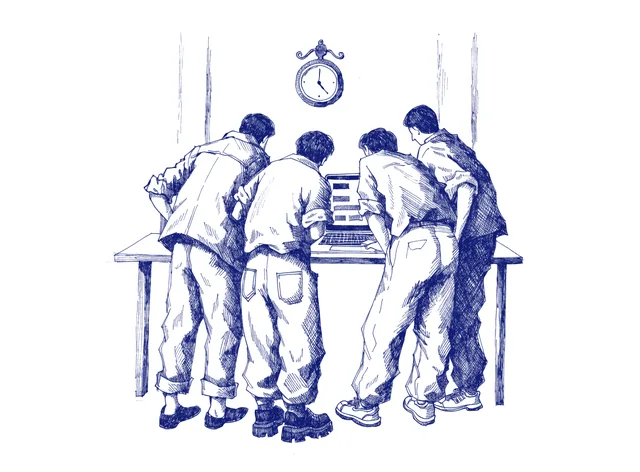
Gergely Orosz (8 Oct · 01) writes The Pragmatic Engineer, a newsletter for software engineers and their managers. He published the notes from his keynote at the LDX3 engineering leadership conference in New York, drawn from visits to OpenAI, Anthropic and several startups. GitHub gave him data showing that pull requests written by AI agents outnumbered those written by people in August 2026. An unnamed engineer told him that, at this volume, reviewers often approve changes without reading them. Orosz found no company where product managers or designers ship code to production, and he predicts that engineers will eventually stop reading agent-written code.
Sean Goedecke (8 Oct · 02), a software engineer who writes essays on engineering practice, argues that people must keep reading it. He describes a small change that an AI agent turned into a three-thousand-line diff to fix a race condition that was harmless by design. In his account, such code does what the agent intended but does not match the company's technical values. He reads a large diff in several quick passes, tracing one important path through the code before reading the changed lines in order. He also holds that an AI reviewer cannot replace this reading, for the same reason.
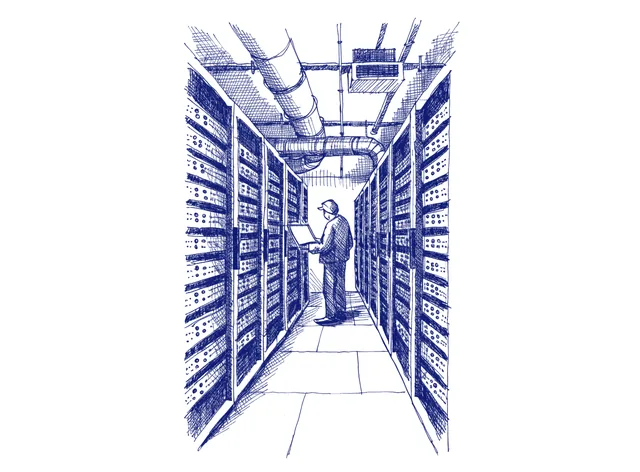
Brian Celenza (8 Oct · 03), a principal software engineer at GitHub, the code-hosting service, explains why GitHub is rebuilding the way it stores code. People and AI agents made 7.38 billion commits on GitHub in September 2026, more than five times the figure a year earlier. Under the old design, adding capacity for reading a repository slowed every write to it. GitHub reports up to 35 times higher write throughput from the new design in internal tests. The post says that branch protections and required reviews must still keep any unreviewed change out of the default branch.
Martin Fowler (8 Oct · 04), chief scientist at the software consultancy Thoughtworks, discussed speed and quality with his colleague Joe Murray. Fowler compares the present to the Extreme Programming method, which dropped heavy upfront design but moved rigour into automated tests and continuous integration. He argues that higher internal quality lets teams move faster, and that clear code may also help AI agents work faster. For AI agents with broad permissions, he places the discipline in limiting what the agent can touch and reach on a network. The interview also promotes Thoughtworks' own delivery framework and agent platforms.
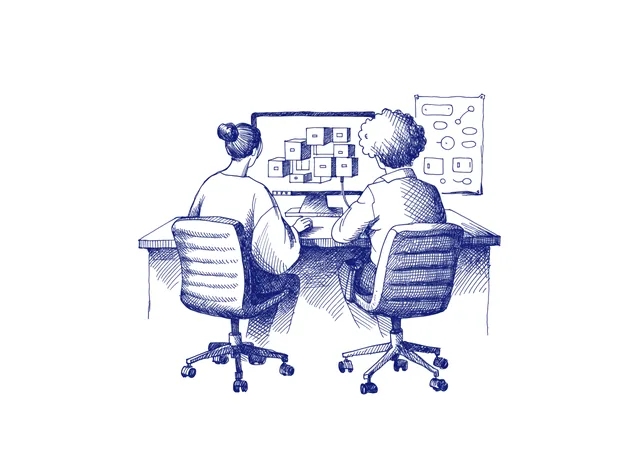
Designer Fund (8 Oct · 05), an investor in design-led startups, interviewed Joel Lewenstein, who leads product design at Anthropic, and four of his colleagues. Anthropic makes the AI model Claude, which wrote over 80% of the code merged at the company as of May 2026. Lewenstein says a week of design exploration is hard to justify when engineers can build a feature in 48 hours. His team now reviews design work in small groups up to four times a week, and argues over working prototypes instead of written specifications. Anthropic sells the AI tools the piece describes.
Jack Anglesea (8 Oct · 06), a lead designer at Mettle Studio, needed ten clickable prototypes for workshops on a large infrastructure programme. His team built them as plain web pages in one GitHub repository, with the AI coding agent Claude Code doing most of the typing. He found that the code was the easy part and that keeping experts' decisions intact was the hard part. Each prototype now has a file recording what was decided, by whom and why. When the AI agent proposed adding a label that a risk lead had removed on purpose, that file stopped the change.
All six describe AI agents producing work faster than people can check it or agree on it. Orosz reports that review is becoming a formality. Goedecke, Celenza and Fowler each keep a human check but move it. It goes to faster reading, to required reviews enforced by the platform, and to limits on what an agent may touch. Anthropic's designers and Anglesea do the same for design work. They review more often, and they write decisions down where the next person or AI agent will read them. The inference, which is not any author's claim, is that a team should decide where its checks sit before review quietly lapses.
Orosz's evidence on review rests on one anonymous engineer and a conference audience's reaction, and Goedecke writes from his own practice. GitHub, Thoughtworks and Anthropic all sell products that benefit from the problems they describe. Anglesea reports on one project and gives no measured results.
Gergely Orosz of The Pragmatic Engineer reports that AI agents wrote more pull requests than people on GitHub in August, and that human code review is turning into a formality.
Sean Goedecke, a software engineer, argues that code written by AI agents still has to be read by people, and shows how to read a large diff in quick passes.
Brian Celenza of GitHub explains why the volume of commits from AI agents forced a rebuild of GitHub's storage, and why required reviews must survive the change.
Martin Fowler of Thoughtworks argues that teams using AI should move engineering discipline closer to working software instead of dropping it to gain speed.
Anthropic's product design team tells Designer Fund how it changed its design reviews after AI sped up engineering far more than design.
Jack Anglesea of Mettle Studio describes building ten workshop prototypes in code with an AI agent, and recording each expert decision in a file beside the prototype.