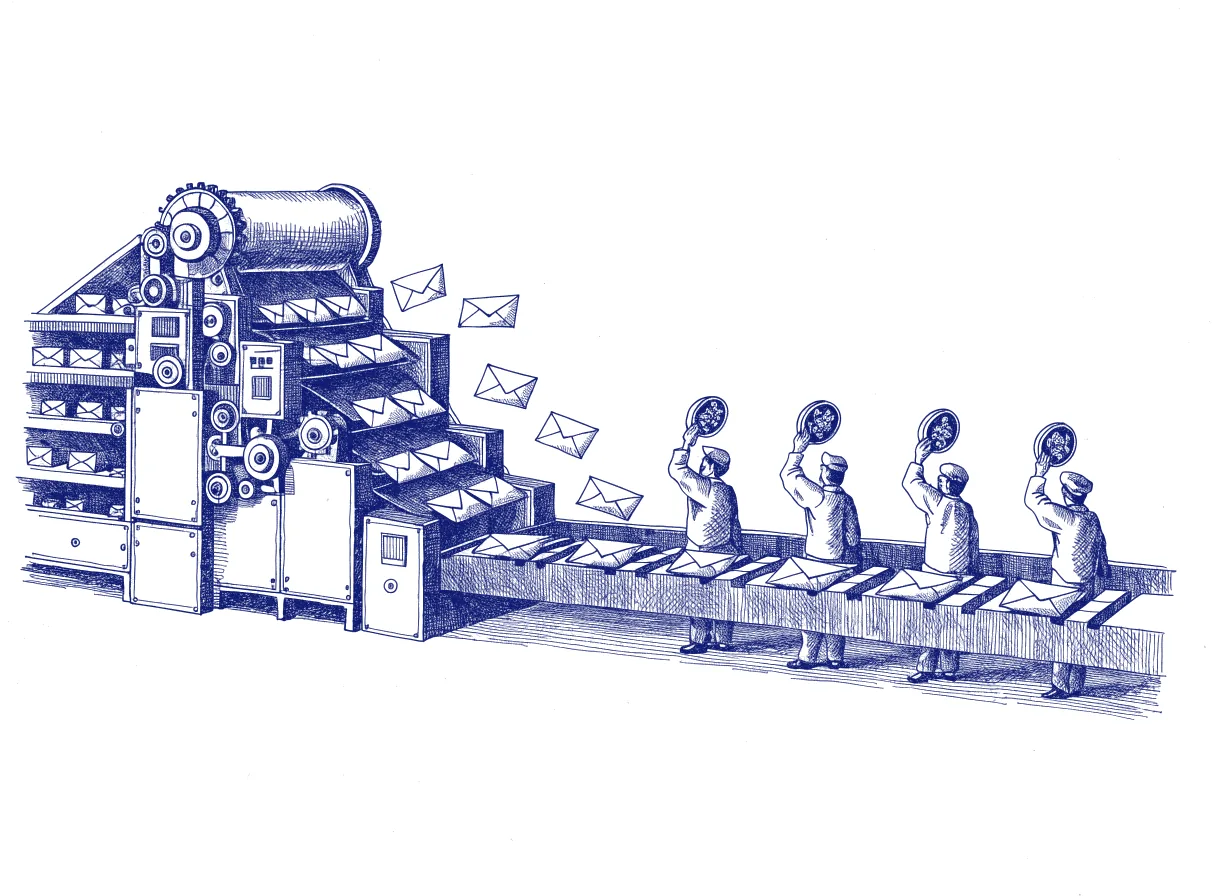
Building Code Argus: From hackathon idea to agentic DevSecOps
Sarath Kumar, Divyansha Jain and Surya Borusu · 25 November 2026
Read the originalA three-person Thoughtworks team built an AI tool for incidents and code fixes that files tickets for a person to approve and never merges its own changes.
Sarath Kumar, Divyansha Jain and Surya Borusu, engineers at the technology consultancy Thoughtworks, built Code Argus at an internal hackathon. They wanted to cut the time lost to production incidents, uneven code review and unnoticed technical debt. The tool runs as a step in a GitHub build pipeline, uses AI models only to diagnose, propose and review fixes, and leaves a person to merge every change.
- Ordinary code, not an AI model, decides each next step, and tests and security scans run before a second AI model from another vendor reviews a fix.
- If a fix still fails after three attempts, the tool files a ticket instead of opening a broken pull request.
- Scheduled scans file tickets without duplicates, and a fix starts only after a person labels the ticket ready to build.
- An internal review found that the early test and scan checks were placeholders that always passed, so the team connected the real test runners.
A team adding an AI agent to its build pipeline can route the agent's findings into its ticket queue, so that a person decides which become work. This is an inference and is not the authors' claim. The tool was built at a hackathon, and the team has so far run it on its own repository.
Have the AI agent file a ticket for each problem a scheduled scan finds, and start a fix only after a person labels the ticket ready.
Run tests and security scans before any AI model reviews a proposed fix, and send a failing fix straight back without calling the AI model.
Derived by Working Surface from the article; more in the Playbook. Source line: It changes the shape of the work: engineers approve instead of debug.
29 November 2026: when AI agents and other staff can build almost anything, a person other than the builder decides in writing which ideas become work and which rules the work follows.