Shipping 100+ PRs to production in a week
Will Larson · 22 November 2026
Read the originalWill Larson of Imprint found that pull requests from AI agents were slow to approve because their checks were unclear, so his teams now attach verification files to each one.
Will Larson, an engineering executive at Imprint, a company that runs branded credit card programmes, merged 170 pull requests in his busiest seven days. Imprint's own cloud system for AI agents wrote 153 of them. He describes a year of removing one limit after another, from slow deployment and inaccurate documents to slow approvals and a shortage of well-defined work.
- Imprint gave its AI agents access to its design documents, then corrected or removed inaccurate ones, and a manager added automated jobs that update stale documentation after code changes.
- Some changes made through the cloud system can be approved by one person, and about half of all changes now take a lighter approval route.
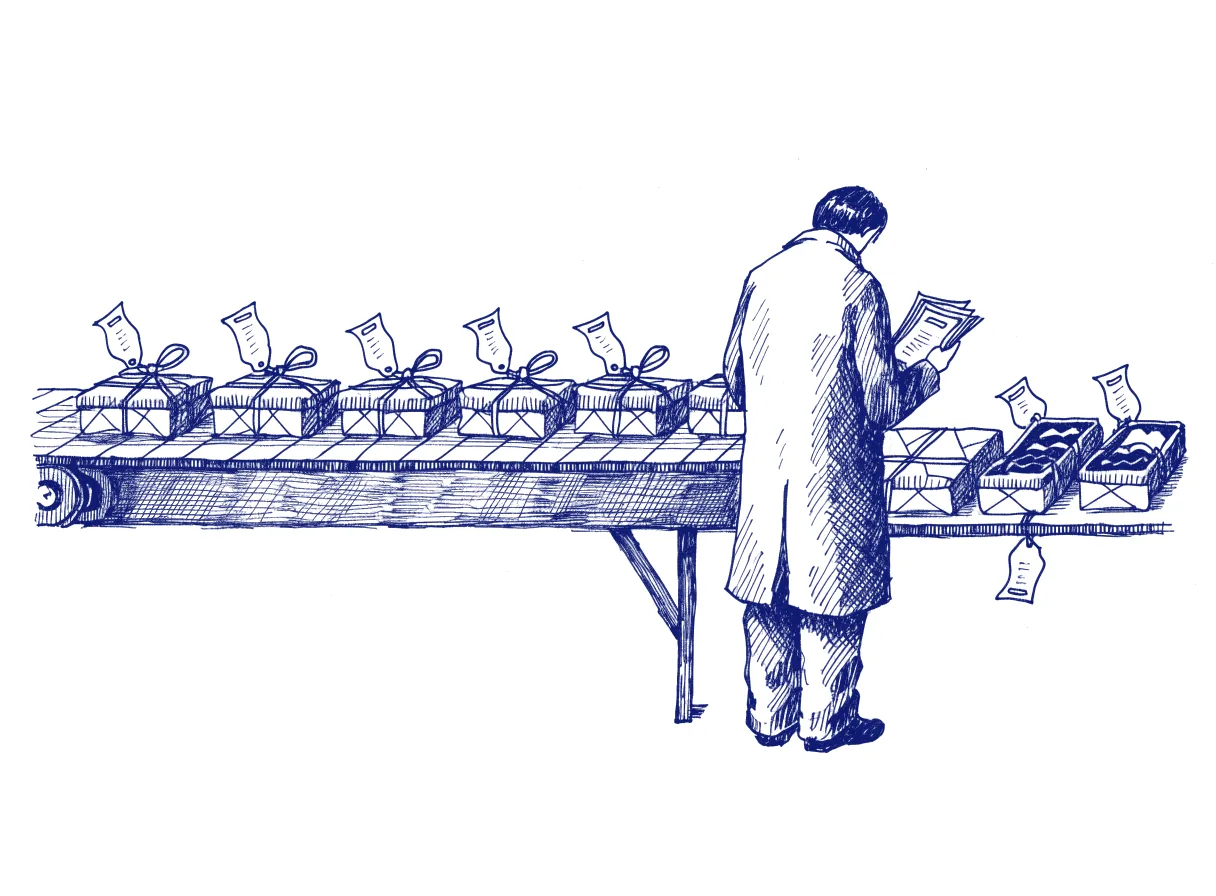
- Larson concluded that the larger problem was pull requests whose checks were incomplete or unclear, so he now reads each verification file before deciding whether to read the code.
- When easy work ran out, the teams set up scheduled agent jobs that find new work in errors, security findings, stale feature flags and concerns raised on support calls.
An engineering team can ask each pull request from an AI agent to state what was checked and how, so a reviewer can decide quickly how closely to look. Larson is describing his own output, and he warns that merged pull requests per week are a weak measure.
Require every pull request from an AI agent to include a verification file stating what was tested and how, and read it before reviewing the code.
Have scheduled AI agent jobs read new production errors, security findings, stale feature flags and concerns from customer support calls, and write each one up as an issue an AI agent can fix.
Derived by Working Surface from the article; more in the Playbook. Source line: In this case, the bottleneck wasn’t pull request approval, but instead generating approvable pull requests.
23 November 2026: as AI agents make code and prototypes cheap, teams move faster when they decide in advance what evidence each piece of work must carry, and write it down, instead of adding review at the end.