Redesigning source control at Anthropic
Nick G. and the Anthropic source control team · 13 October 2026
Read the originalAnthropic, the AI company, replaced Git after daily merges rose tenfold with its Claude AI model, and its engineers now review each change's intent instead of every line.
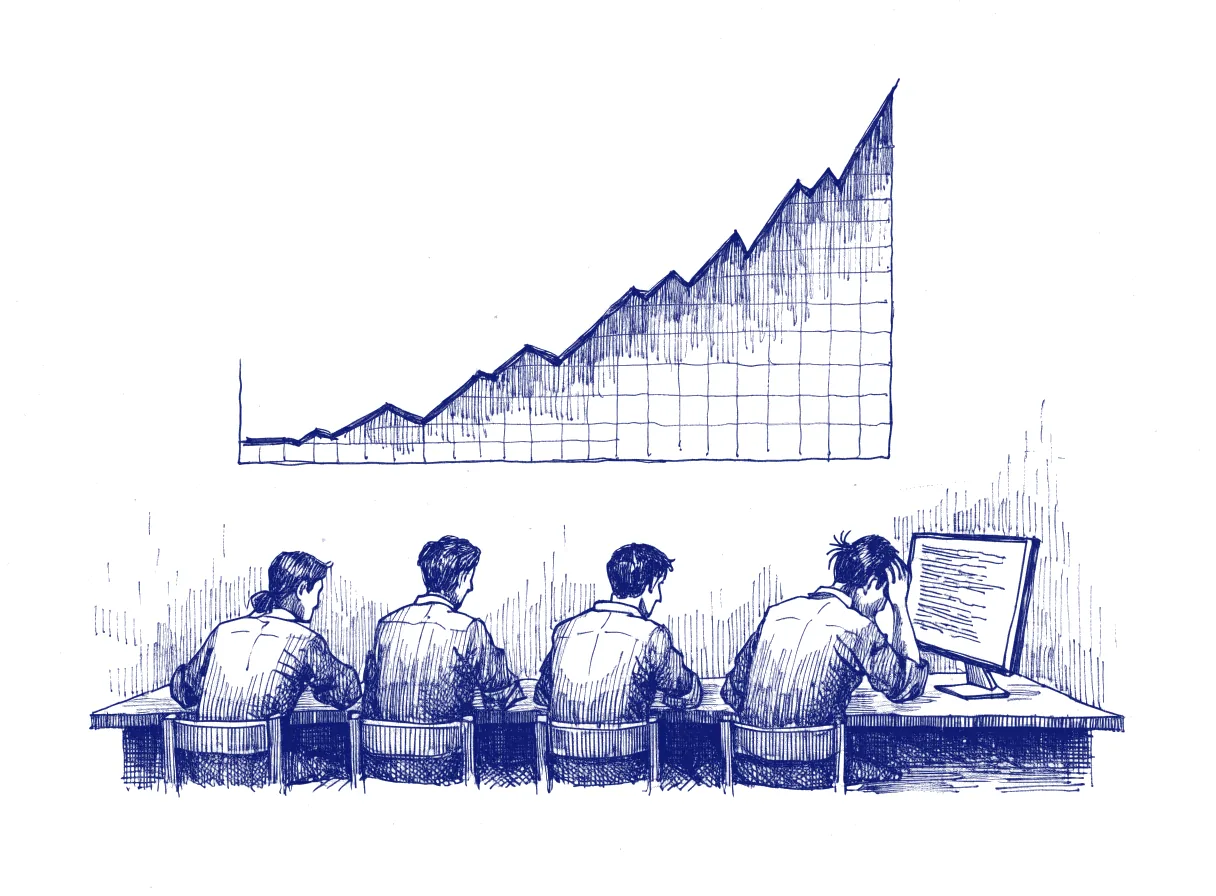
Anthropic's engineers handed more of their coding to Claude, the company's AI model. Its source control team reports that daily merged code changes grew from about 2,500 in May 2026 to more than 30,000 in September. Git, built for people who each keep a full offline copy of the code, became the main bottleneck. A team of seven built Scion, an in-house version control system, and a code review tool, and moved the main code repository to them in five months.
- Daily merges rose from about 2,500 in May 2026 to over 30,000 in September, and testing systems check out the code about 25 million times a day.
- Scion assumes every user and program is always online and fetches files on demand. The team reports that it uses about 200 times less computing power than the old Git copies.
- The engineers report that their main job was often to reject AI-written changes that broke core system rules.
- The team stopped holding all merges behind a single queue lock and now relies on automated tests after merging and before release.
The authors expect other teams using AI coding tools to meet the same limits in source control, builds and testing. The piece is Anthropic's account of its own systems, and Anthropic sells the Claude AI model it describes.
When reviewing a code change written by an AI agent, check its intent instead of every line, and reject it if it breaks a core rule of the system.
Give an AI agent its own chat channel and access to logs so that it watches the health of one system component.
Derived by Working Surface from the article; more in the Playbook. Source line: Our team members still review every change request for the system, but they now examine the intent of the change as opposed to reading every line of code.
14 October 2026: as AI agents raise the volume of code changes, teams are moving routine checks into automated tests and installable rules, and keeping people for intent and contested decisions.