Decision models and the possibility of NoOps
Zichuan Xiong · 12 October 2026
Read the originalThoughtworks moved its IT operations AI agents from suggesting replies to opening and testing fixes, and Zichuan Xiong says people now supervise the agents instead of doing the work.
Zichuan Xiong, writing for Thoughtworks, a technology consultancy, describes two years of its AI practice building AI agents for IT operations work. The agents began by suggesting replies to support tickets in late 2024. By 2026 they planned fixes, opened pull requests, tested them in a sandbox and closed tickets.
- In 2025, agents took simple, predictable requests first, and a person stepped in when the agent's confidence score was low.
- Xiong writes that the risk then became whether reviewers were checking agent output or only approving it.
- In September 2026, the AI practice moved its triage agents to decision models, AI models that classify rather than write text, mainly to cut cost.
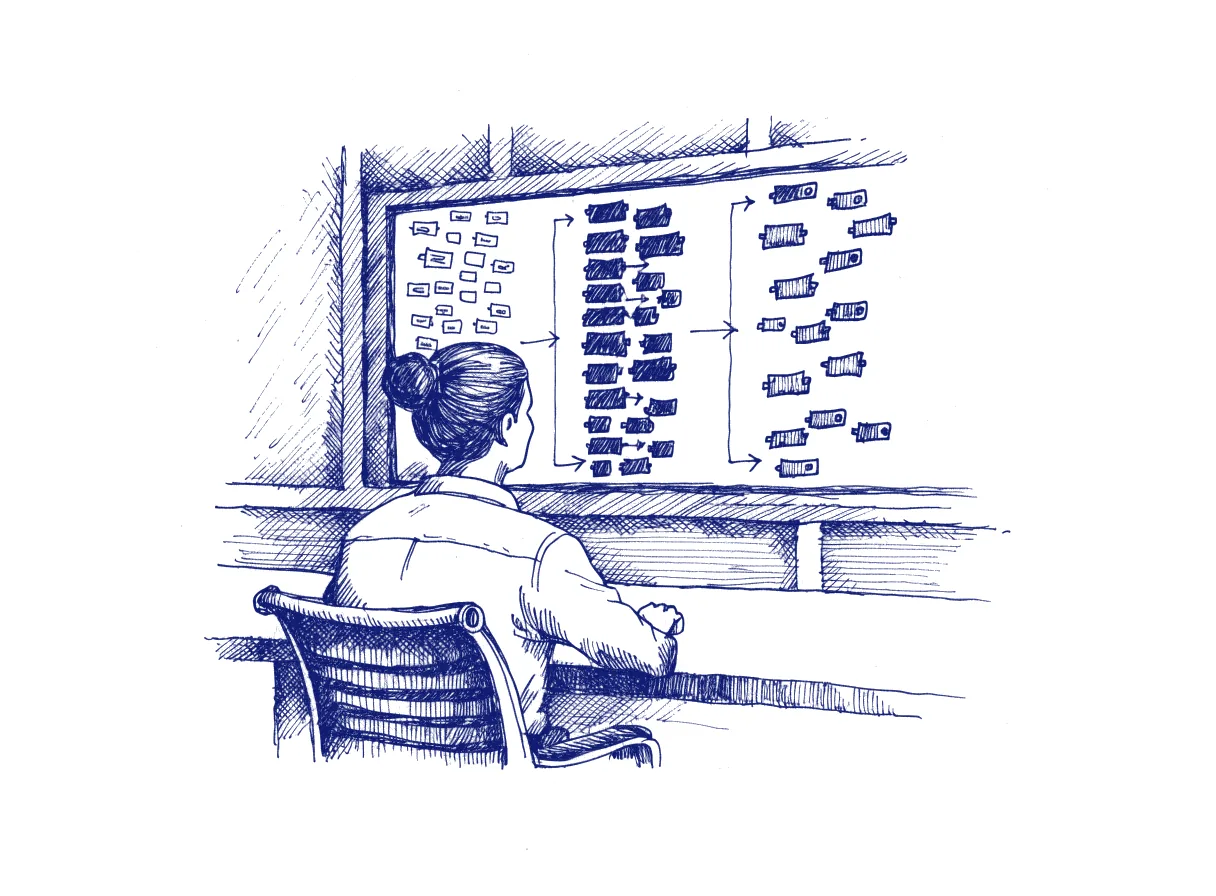
- Every request now follows one flow: intake, triage, then automatic repair or escalation to a person.
An operations team can route predictable requests to an AI agent first and send low-confidence cases to a person. Thoughtworks is describing its own practice, and the article reports no measured results.
Send predictable operations requests to an AI agent first, and route them to a person when the agent's confidence score is low.
Check regularly whether reviewers still examine AI agent output or only approve it.
Derived by Working Surface from the article; more in the Playbook. Source line: The work of executing tasks is what becomes irrelevant first.
13 October 2026: AI agents have moved the slow step in software work from writing code to checking and running it, so teams need to measure and staff that later step deliberately.