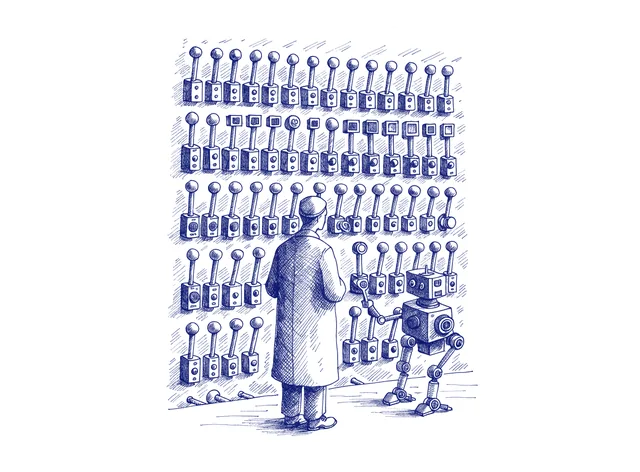
Teams that adopt AI agents are finding that speed removes the slow steps which once gave people time to question the work, and that agents now make choices people used to make. The five pieces today describe putting structure back on purpose, through named people, written rules, agreed measures and decisions about what an agent may do.
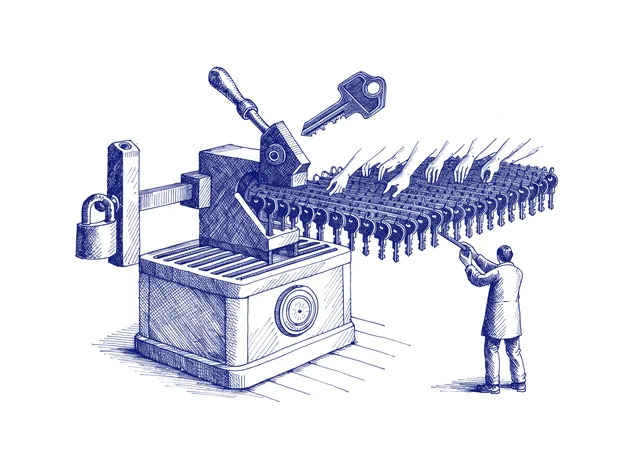
Docusign (9 Nov · 01), which sells electronic signature and agreement software, saw early gains from AI coding tools stall in 2025. Its chief technology officer, Sagnik Nandy, set up a six-person central team for guardrails and about 75 engineers inside product teams who spread its practices and reported problems back. Teams can now copy and extend each other's AI agents, and no agent may merge code or take an irreversible action without a person's approval. Nandy says the measures that matter now are delivery speed, reliability and customer satisfaction, not usage alone. The account appeared in The New Stack as a post that Docusign sponsored.
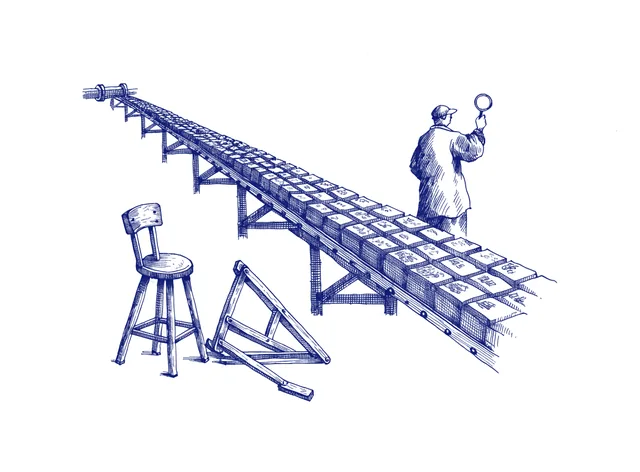
John Cutler (9 Nov · 02), a product development coach who writes The Beautiful Mess newsletter, argues that the slow steps AI tools remove also did useful work. A pairing session, a projected return on investment or six rounds of revision on a document gave a team days to ask whether something was worth doing. Cutler describes leaving a customer call and seeing changes deployed an hour later, with no tickets and no demo. Cutler warns that people working alone with their own AI agents have less patience for those questions, so teams have to make room for them deliberately.
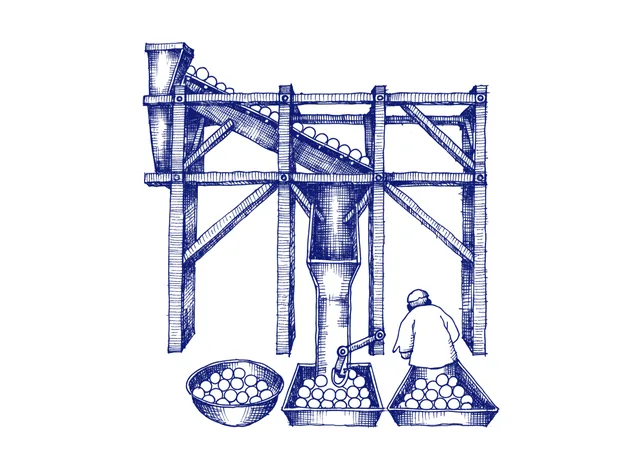
Sanjana (9 Nov · 03), a product designer who has spent two years designing data platforms, builds prototypes with AI agents in Cursor and Claude alongside the design tool Figma. The local project folder filled with drafts, near-final versions, reference copies of other code and one-off notes. Only Sanjana and the current agent session could make sense of it. Sanjana reorganised it into main, exploration and archive areas, added a short map of what not to touch, and wrote rules the agent reads at the start of every session. Sanjana reports that the agent then edited the wrong file far less often and needed less re-explaining.
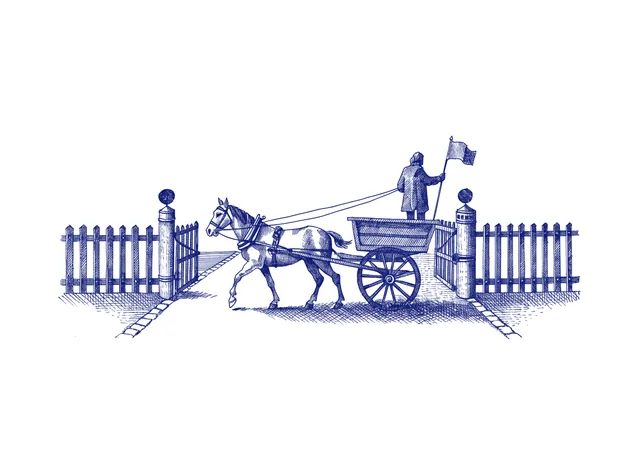
Caleb Sponheim (9 Nov · 04) of Nielsen Norman Group, which researches and teaches user experience design, defines the agent harness. It is the software around an AI model that supplies its context, decides which tools it may use and when a person must approve, and limits its time, cost and steps. Two scheduling assistants on the same model can differ widely because their harnesses differ. Sponheim asks designers to decide with engineers which actions need approval and what a cancel stops. Sponheim also asks them to test the whole task, including a disconnected calendar or a request with no good answer.
Elena Verna (9 Nov · 05), who works on growth at Lovable, spent years building onboarding journeys and in-app prompts to get users to find new features, with little success. Verna argues that in products built around AI, the user states a goal and the AI picks which features to use. At Lovable, Verna's adoption work is now mostly making sure the company's agent knows about each feature. The new problem, Verna writes, is trust: showing which decisions the AI made, when a person should step in, and how its actions can be undone.
In each piece, the people involved decided that faster output, or an agent that acts on its own, needed more deliberate structure. Docusign named owners and measures, Cutler asks teams to keep time for hard questions, and Sanjana wrote down rules an agent can follow. Sponheim and Verna place the same decisions in the product itself: what the agent may do, when it asks a person, and how its work can be undone. The inference, which is this issue's and not any author's, is that the structure now has to be written down because the old delays no longer supply it.
All five are accounts by interested parties or opinion: a sponsored company post, a coach's reflection, one designer's single project, a definition from a firm that sells design training, and one growth leader's essay. None shows that the added structure improved what customers received.<br />
Docusign spread AI coding tools across more than 1,100 engineers through embedded helpers and shared AI agents, and now judges the effort by delivery and reliability rather than usage.
John Cutler argues that AI tools remove slow steps which also gave product teams time to ask whether work was worth doing, so teams must protect that time deliberately.
Product designer Sanjana reorganised a cluttered prototype folder and wrote rules an AI agent reads each session, after which the agent edited the wrong file far less often.
Caleb Sponheim of Nielsen Norman Group defines the agent harness, the software that sets an AI model's context, tools and limits, and asks designers to specify it alongside the screen.
Elena Verna, who works on growth at Lovable, argues that AI now picks a product's features for its users, so product teams must win users' trust to hand over work rather than push feature adoption.