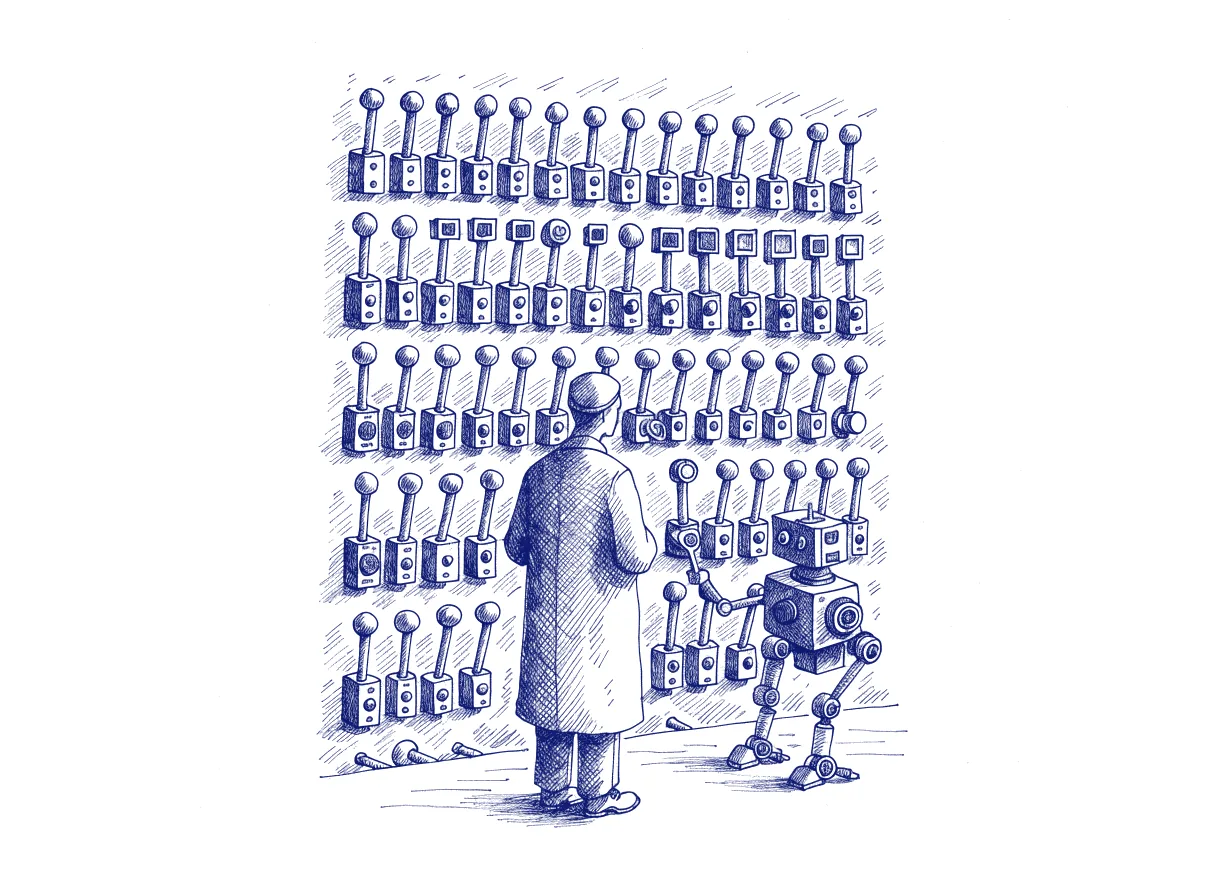
The end of feature discovery as we know it.
Elena Verna · 6 November 2026
Read the originalElena Verna, who works on growth at Lovable, argues that AI now picks a product's features for its users, so product teams must win users' trust to hand over work rather than push feature adoption.
Elena Verna, who works on growth at Lovable and writes Elena's Growth Scoop, reflects on how AI changes the work of product and growth teams. For years those teams built onboarding journeys, navigation and in-app prompts to get users to find new features, and few users did. In this essay, cross-posted to Lenny's Newsletter, Verna argues that AI makes that work largely unnecessary and creates a different problem.
- In products built around AI, the user states a goal and the AI chooses which features to use, so users can benefit from features they do not know exist.
- At Lovable, Verna's feature adoption work is now mostly making sure the company's AI agent knows when to use each feature.
- The new problem is trust: showing which decisions the AI made and why, when a person should step in, and how its actions can be undone without reviewing every step.
- Engagement measures may fall while value to customers rises, and a product that offers only a prompt box still has to show users what they can do with it.
A product team building around AI can count whether its agent knows a new feature as part of shipping that feature, and watch how much work users hand over rather than how many clicks they make. This is one growth leader's essay drawn from Verna's own work, without figures.
When a new feature ships, check that the product's AI agent knows when to use it, and treat a gap as a defect.
After an AI agent finishes a task, show the user a list of the decisions it made and why, and let the user reverse any of its actions from that list.
Derived by Working Surface from the article; more in the Playbook. Source line: We’re changing who actually operates the software.
9 November 2026: as AI agents remove the slow steps that once gave teams time to question the work, teams are writing down the owners, measures, rules and limits those steps used to supply.