As AI agents take on more of the building, teams are deciding where a person's judgement has to sit. Four pieces published between 5 and 9 November place it at the merge, the pull request description and the measure of quality.
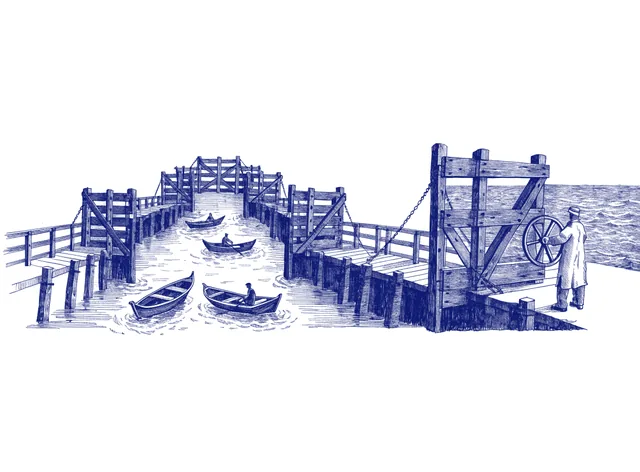
Fereydoon Vafaei (10 Nov · 01) is a principal software engineer on Salesforce's Agentforce team, which builds the reasoning engine behind Salesforce's AI agents for business customers. The team feared an AI agent could diagnose a fault, fix it, test the fix and approve its own work while being wrong. The team now has different AI models check one another's work, and engineers sign off on the results across many incidents. AI agents may design, build, review and deploy changes to test environments, but a person must approve any merge to the main branch or release to production. The team reports that a typical bug now takes one or two days to resolve instead of two to four weeks.
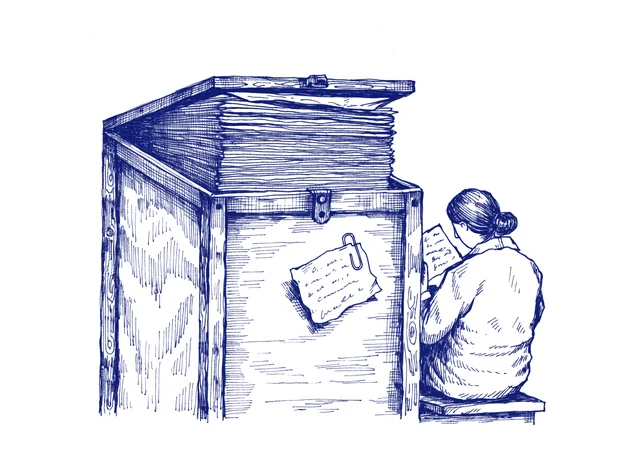
Simon Willison (10 Nov · 02) is an independent software developer. Most changes to Willison's open-source projects now arrive as pull requests that AI coding agents open. Willison found the agents' descriptions accurate but so long that readers stop reading them. The answer is a short opening paragraph that Willison has checked, sometimes with a screenshot. The agent's full description follows inside a collapsed section labelled with the AI model's name. The change keeps every detail and tells a reviewer which part carries a person's judgement.
Three principal product managers at Spotify (10 Nov · 03), the music streaming service, describe how one job title covers three different jobs. Henrik Lindström leads product for research, Divita Vohra for a recommendation AI model that other teams build on, and Humberto Corona for a feature that listeners use directly. Vohra writes that model behaviour cannot be specified, only shaped through training data and then checked with tests of output quality. Corona's team builds its own tests from real usage and runs them after launch as well as before.
Andrea Scaduto (10 Nov · 04), co-founder and chief executive of the security training company SecureFlag, writes in Forbes about who owns the risk in code that an AI agent writes. A product manager may give the instructions, an agent write the change and a developer approve it. Scaduto argues that the developer who approves the merge owns the change, and that a reviewer who cannot explain what it does and why it is safe should not let it ship. Scaduto also asks teams to list every agent in use, give each only the permissions it needs, and keep a person's approval for riskier actions such as merging to protected branches.
In each account, the person does not check everything. Each names the one point where a person must decide: approving a merge or release, vouching for a summary, or defining what good output means. Scaduto adds a condition: the person who approves must be able to explain the change. The common inference, which is not any author's claim, is that agents make output cheap, so the scarce work is deciding what the check is.
Two of the four pieces come from large companies describing their own teams, and Salesforce's figures are its own and unaudited. Scaduto's is an opinion from the head of a company that sells developer security training. A single developer's habit on personal projects may not survive a busy team with stricter review rules.
Salesforce's Agentforce engineers let AI agents fix and test their own reasoning engine, but a person must approve every merge and every release to production.
The developer Simon Willison opens each AI agent's pull request with a short summary checked by a person, and folds the agent's long description out of sight.
Three Spotify product managers show that managing AI products is three different jobs: owning research, owning a shared AI model, or owning a feature listeners use.
Andrea Scaduto, chief executive of the security training company SecureFlag, argues that the developer who approves an AI agent's change owns it, so the approval cannot be a formality.