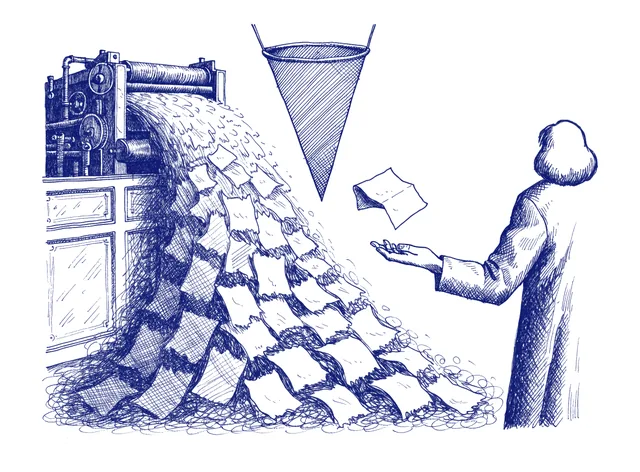



AI tools have made code, documents, pull requests and prototypes far cheaper to produce, and companies are now counting the cost of that volume. Today's pieces agree that the scarce work is judging, reviewing and keeping track of what the tools produce.
Cate Huston (21 Oct · 01), an engineering leadership coach and author, spent the autumn conference season hearing how expectations of engineers have risen. She argues that the higher bar is about judgement, not output. When work was expensive, its cost quietly stopped weak ideas. Now one person with an AI tool can bury colleagues in long documents that nobody reads, and most performance metrics still count only the output.
Gergely Orosz (21 Oct · 02), who writes The Pragmatic Engineer newsletter, asked engineers and engineering leaders at 27 companies what they spend on AI tools and what it has changed. Spending runs from under \$300 to \$3,000 a developer a month. CodeRabbit, a maker of an AI code review tool, reports that its users open more than twice as many pull requests as a year ago. Yet at several companies in his sample the pace of delivery barely moved, and one engineer said human reviewers still catch changes that were not needed at all.
Michael Hill (21 Oct · 03) reports for LeadDev, a publication for engineering leaders, on a new survey by ActiveState. ActiveState sells tools for managing open-source code, and it polled more than 300 engineering, platform and security leaders. Almost half say at least a tenth of an engineer's time goes on fixing AI-assisted code, a floor of more than 17 working days a year. Half say new outside code libraries can reach production without any review. The survey comes from a vendor that sells the remedy, but its pattern matches what the engineers Orosz interviewed describe.
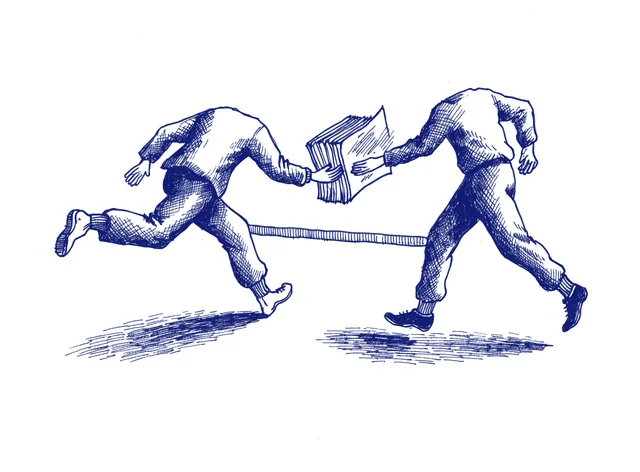
Andy Maguire (21 Oct · 04), who builds the self-driving product at PostHog, a product analytics company, shows one way to keep track of agent work. His AI agents keep each project's backlog, change log and handover notes in versioned skill files. A skill is a bundle of instructions and notes that an agent loads when a task needs it. At the end of each session the agent writes down what changed and where the work stopped. Teammates and their own agents read the same files, so a handover no longer depends on one person's memory.
Mauricio Wolff (21 Oct · 05), a staff product designer at Miro, the online whiteboard company, built VibeLab, an internal platform where designers build working prototypes with Claude Code. More than 400 people and the whole design team now use it, and designers show stakeholders live prototypes instead of static screens. Early prototypes drifted from Miro's design system until the team added templates built on it. Engineers still translate each prototype into production code.
Meta's Forum team (21 Oct · 06) built a new app for Facebook groups with AI agents that plan, build and test each change while engineers set the goal and approve the result. The team counted a task as done only when automated tests and visual checks had passed. Every change still carried an engineer's sign-off, with test results and recorded checks attached. The app matched the core features of Facebook Groups in eight weeks.
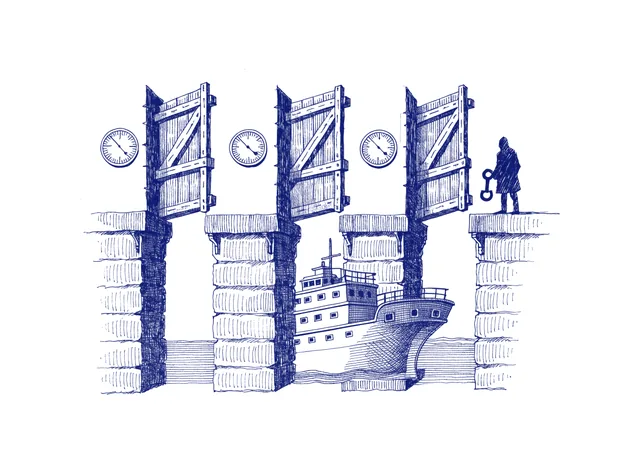
Volume has stopped being a useful measure of work done with AI tools. The measures that matter are whether someone can explain the work, whether a reviewer caught what should not ship, and whether the next person can pick it up. Each of those takes a person's time, and none of it shows up in a count of pull requests. Miro and Meta show two ways to build that check into the work. Miro's templates carry the design system into every prototype, and Meta's tests must pass before an engineer looks. That reading across the pieces is an inference.
The rework and spending figures come from vendors and from engineers Orosz chose to ask, so they may overstate the cost and understate the gains. One team in his sample closes three times as many user stories as last year, which suggests the gains are real where teams have changed how they work. Miro's and Meta's accounts come from the companies' own blogs and report their own successes.
Cate Huston, an engineering leadership coach, argues that AI has made output cheap, so companies now judge people by the judgement behind their work rather than its volume.
Gergely Orosz of The Pragmatic Engineer asked 27 companies about AI spending and found costs per engineer have soared while gains in delivery range from none to threefold.
A vendor survey reported by LeadDev finds engineers lose at least 17 working days a year fixing AI-assisted code, while outside code reaches production unreviewed.
Andy Maguire at PostHog keeps his AI agents' project memory in versioned skill files that the agents update after every session and teammates can read.
Mauricio Wolff at Miro built VibeLab, an internal platform where the whole design team turns ideas into working prototypes with Claude Code in minutes rather than days.
Meta's Forum team let AI agents plan, build and test changes while engineers set the goal and signed off, and matched Facebook Groups' core features in eight weeks.