AI in UX: Work Is Faster, But Practitioners Have Mixed Feelings
Maria Rosala and Rachel Banawa · 23 October 2026
Read the originalA Nielsen Norman Group survey of 521 UX practitioners found that AI speeds up most tasks, but the time saved often goes to checking and fixing other people's AI output.
Maria Rosala and Rachel Banawa of Nielsen Norman Group, a user experience research and training firm, surveyed 521 designers, researchers and product managers in August and September 2026. Respondents said AI made almost every task faster, yet they felt only mildly positive about it. Their comments blamed unreliable output, mandates to use AI and higher expectations from leaders.
- Respondents rated AI's effect on task time at 4.2 out of 5, but their feeling about AI at work averaged 3.57 out of 5.
- Of the 226 respondents who left comments, 69 per cent expressed some negative sentiment, most often about unreliable output and the work of checking it.
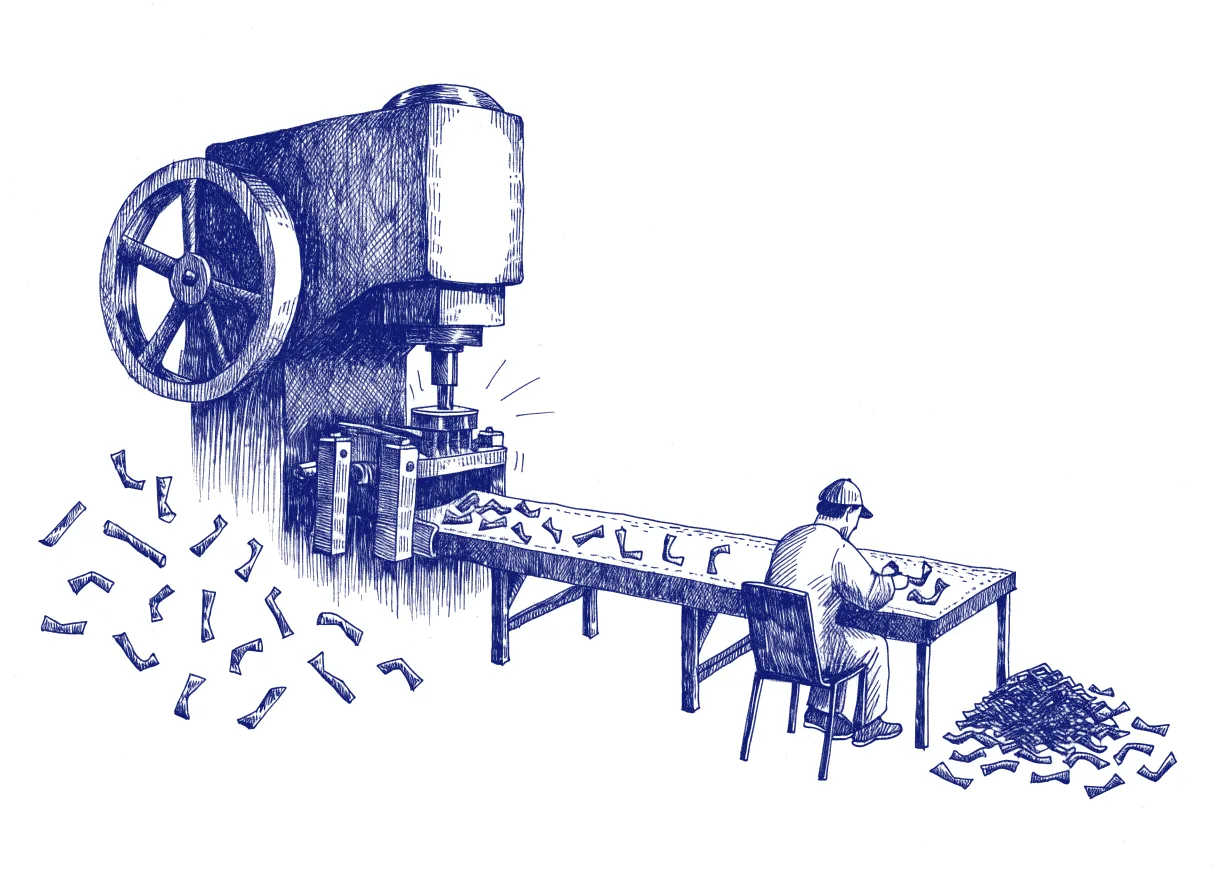
- Some designers described repairing unusable prototypes that product managers had made with AI, while still being expected to work as fast as the AI.
- Product managers rated their job security at 3.81 out of 5, against 2.99 for designers and 2.94 for researchers.
The authors recommend that leaders measure whether work reaches users faster and better, not whether each person uses AI. They also advise treating AI output as a draft that someone must check. The sample was recruited through the firm's own channels, and the authors caution that it may not be representative.
Treat AI output as a draft that someone checks before anyone builds on it.
Measure AI adoption by whether finished work reaches users faster, counting the time colleagues spend checking and fixing AI output.
Derived by Working Surface from the article; more in the Playbook. Source line: A task made faster for one person can create work for another.
24 October 2026: teams keep the time AI saves only when they decide in advance what an AI agent may do alone, what waits for a person and who maintains what it builds.