Teams are letting AI agents collect the evidence and do the building, and keeping people for the steps that are hard to undo or hard to see. The common move is to design what the agent may do on its own and what a person must approve, before the agent starts.
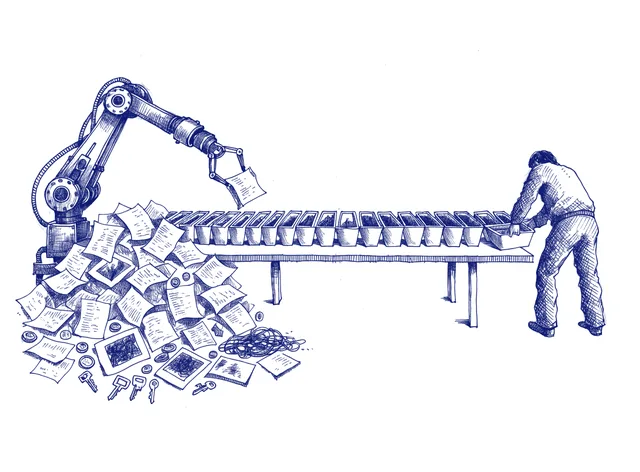
Duolingo, the language-learning app, had more bug reports than its engineers could fix. Shelby Wengreen (5 Nov · 01), an engineer on its developer-productivity AI team, describes how a plain request to an AI model to fix a bug failed. The fix was rarely the hard part; engineers spent hours finding the relevant code, user activity, experiments and recent changes. The team built an AI agent that gathers all of this, attaches it to the bug report, suggests an owner and drafts a fix with a test build. The engineer's job moves from writing the fix to checking it.
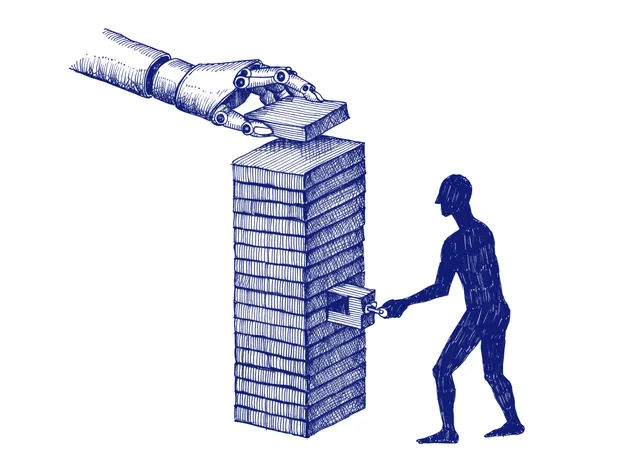
The engineer suna (5 Nov · 02) at LayerX, a Japanese company that builds AI agents for finance, legal and sales work, faced a different problem. Each customer needs its own tables, and the old flexible storage made the agent read every record to compare figures. In a working trial, the agent now proposes real database tables from a conversation and creates them once a person approves. It may only add tables and columns, never delete or rename them, and every change to a record waits for the user's approval.
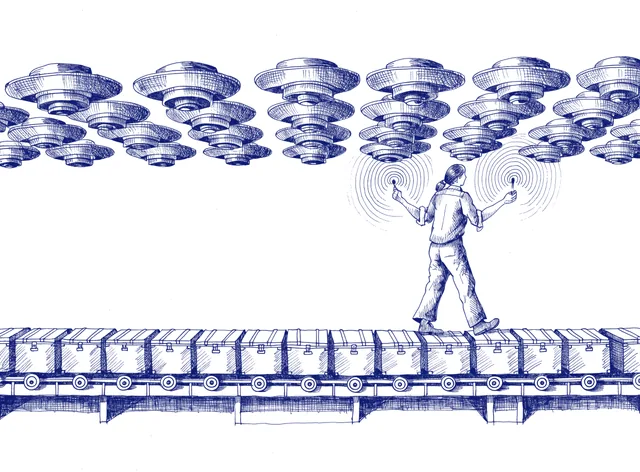
At Microsoft, nine engineers built Copilot Cowork, an AI agent that carries out multi-step office tasks, largely with AI agents writing the code. Bas Brekelmans (5 Nov · 03), a partner software engineer, reports 1,211 pull requests merged on one day in October. The team found automated checks that passed without checking anything, including one whose failure was hidden by a shell command. Every check now reports how many files it examined, and every new check must be shown to fail on purpose.
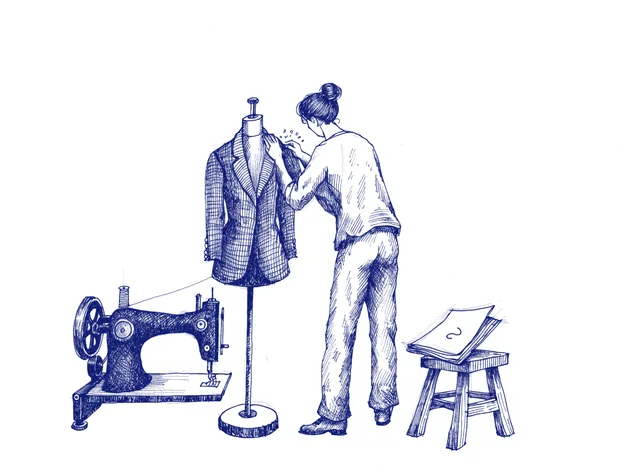
Luke Wroblewski (5 Nov · 04) is a product designer who writes about design and AI. He says a design system now gets an AI agent about 90 percent of the way to a finished screen. His team closes the rest by marking up screenshots and recordings to show the agent each problem. He argues that AI models still cannot judge which fixes belong in the design system itself, so a designer keeps that decision.
In each case the agent works faster than people can watch it, so the team decides in advance where a person must look. Those places are the action that cannot be undone, the check that might be empty and the rule that will shape every later screen.
All four accounts come from teams describing their own products or internal tools, and LayerX's design is still a trial. The approval steps they describe may become routine clicks once the volume grows.
Duolingo built an AI agent that gathers the evidence for each bug report and drafts a fix, so engineers start by checking a fix rather than writing one.
LayerX lets an AI agent design and create database tables from a conversation, but only after a person approves, and it may add tables and never delete them.
Microsoft's Copilot Cowork team, where AI agents wrote most of the code, found that automated checks can pass without checking anything, and now makes every check prove it can fail.
Luke Wroblewski says a design system gets an AI agent about 90 percent of the way to a finished screen, and pointed visual feedback closes the rest.