Four accounts published over the weekend show teams deciding who must be able to explain work that AI tools helped produce. Where no one could, at one database maker, the tools' own reports of fixed bugs turned out to be false. At one retailer, an engineer struggled to find the useful parts of an AI-written specification.
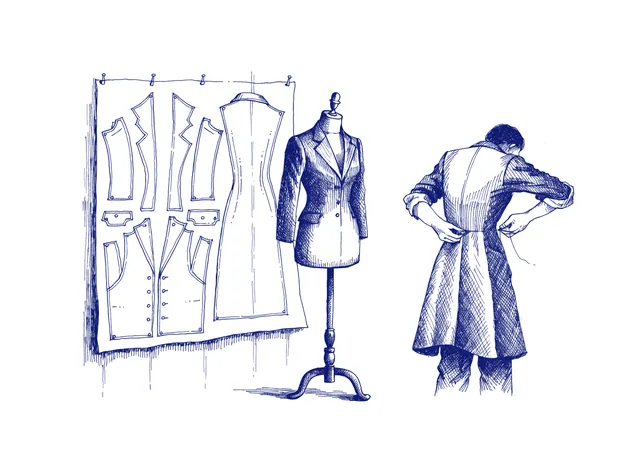
Ayon, a designer at Eve, an AI software start-up backed by the venture firm Andreessen Horowitz, described the team's way of working to Xinran Ma (2 Nov · 01). Engineers used to build only about 75 to 80 per cent of what Ayon designed, and annotated documents never closed the gap. Ayon now uses Claude Code, Anthropic's AI coding tool, to make small layout, spacing, colour and typography changes in the production code directly. Most of Eve's designers, few of them technical, prototype in a simplified copy of the app that Ayon built. Ayon suggests that senior designers review what enters the main version of that copy, and that designers review front-end changes shipped without design help.
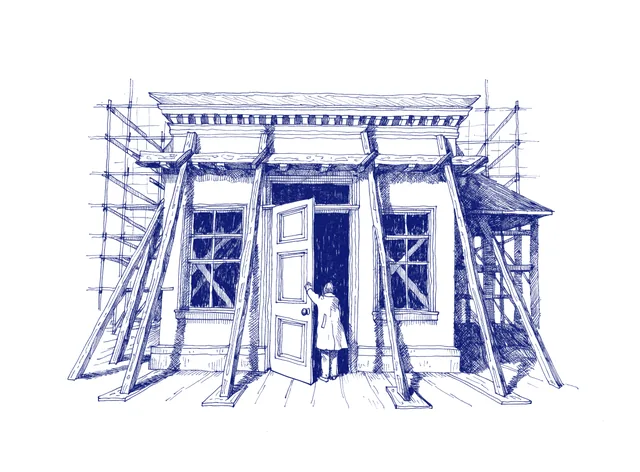
Kyle Kingsbury of Jepsen, which tests whether databases keep their safety promises, published a report on ParticleDB (2 Nov · 02). Orkes, a maker of workflow software, built ParticleDB with a handful of engineers and help from AI coding tools. Jepsen's tests found 96 issues, most of them with one server, one client and no injected faults. Orkes could not explain the cause or the fix of nearly every issue, and its AI tools repeatedly reported bugs as fixed when they were not. Kingsbury recommends simple tests for every feature, run before each release, and documentation rewritten by a human technical writer. Orkes paid for the research.
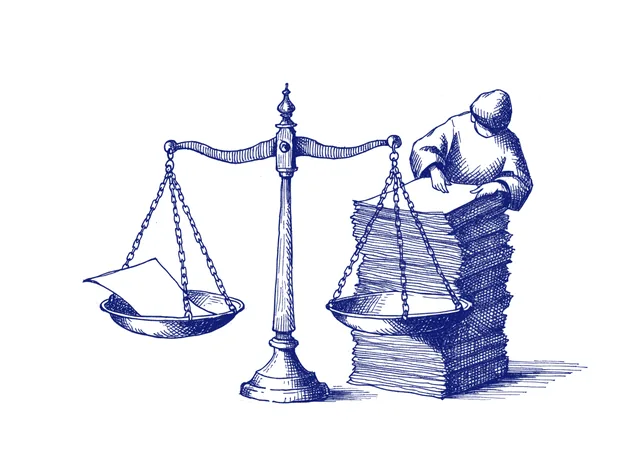
Jaclyn Konzelmann, a product director at Google Labs, Google's group for experimental AI products, spoke to Peter Yang, who writes the newsletter Behind the Craft (2 Nov · 03). Konzelmann expects product managers to defend every statement in their own documents, and treats handing the writing to AI as a mistake. Konzelmann also argues that when building is cheap, deciding whether a product should exist becomes the main job. Only the open part of the interview was read, because the full episode is for paying subscribers.
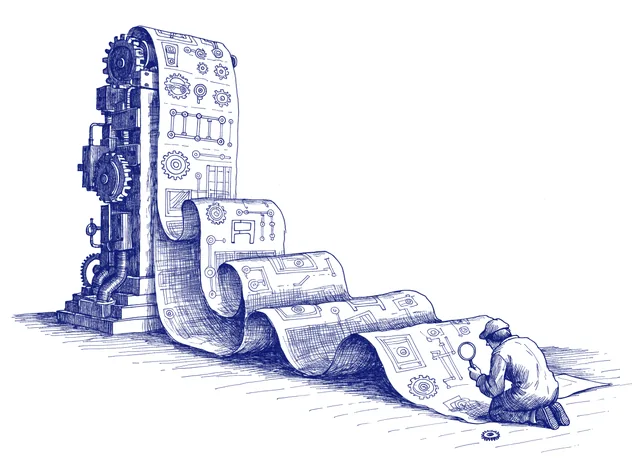
Dana Baddad and Gonzalo Vásquez Correa are senior product designers on the design system team at Zalando, the online fashion retailer. They described their prototyping tool at a Berlin meetup, in an account by Sil Bormüller of Into Design Systems (2 Nov · 04). Figma Make, Figma's AI prototyping feature, did not produce on-brand results, so the team built the ZDS Capsule with Claude Code. It turns a Figma design or a prompt into a working prototype with real product data, and more than 20 designers have contributed changes to it. When the team asked Claude to write motion specifications, an engineer replied that the useful parts were tiny and obscured. Baddad said that prototyping got faster while implementation could take two or three times as long, and the team has no answer yet for the handoff to engineering.
In all four accounts, AI tools produce work faster than a team can check it or hand it on. Three of the responses name a person who must be able to explain the result. That person is a senior designer reviewing changes, an engineer who can say why a bug happened, or a product manager who can defend each sentence. The Jepsen report shows what a team loses when that person is missing. The Zalando team's account suggests that a detailed AI-written specification can leave a designer and an engineer less to discuss, and leave the engineer more to dig through.
Three of the accounts rest on people's descriptions of their own practice, and Jepsen tested one company's database at that company's expense. A small team with a sound test suite might use the same AI tools without the same failures.
Ayon, a designer at the AI start-up Eve, edits production code with Claude Code and teaches other designers to prototype in code, so designs reach customers as intended.
Jepsen, which tests database safety claims, found 96 issues in ParticleDB, a database a few Orkes engineers built with AI tools, and Orkes could rarely explain them.
Jaclyn Konzelmann, a product director at Google Labs, expects product managers to write their own documents and defend every statement, because writing is how they think.
Zalando's design system team built a prototyping tool on Claude Code, then an engineer's complaint about AI-written motion specifications showed that faster prototypes had not made collaboration easier.