Teams putting AI agents into products and engineering are deciding, before launch, where a person must still make the final call. Three accounts from 29 to 31 October draw that line in different places, and a fourth asks who should draw it. Two more, from 28 and 29 October, look at the people on that line: developers now reviewing the code AI writes, and product managers expected to challenge their seniors.
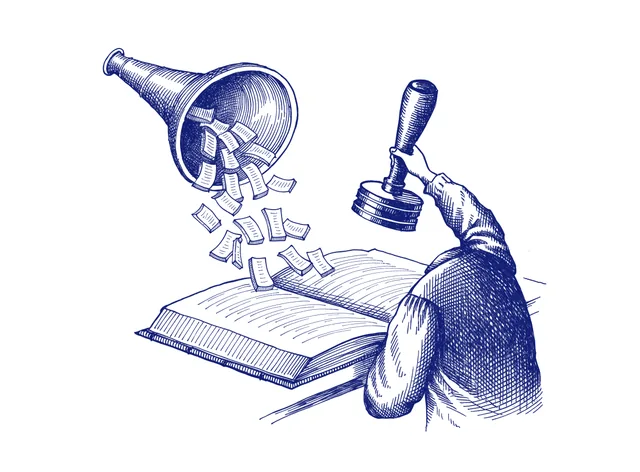
Aakash Mahadevan (1 Nov · 01), a product designer at Glomo, a company building an app for cross-border payments, described a voice assistant the team cut down before writing any code. The first idea was a floating button that let customers say a payment aloud without ever looking at a screen. A hard design review found that one example request could send money to the wrong person in three different ways. The team settled on one rule: speech fills in a payment card, but the payee, amount, fee and face check always happen on screen. The first version will only repeat payments to people a customer has paid before, and it is still to be tested with customers.
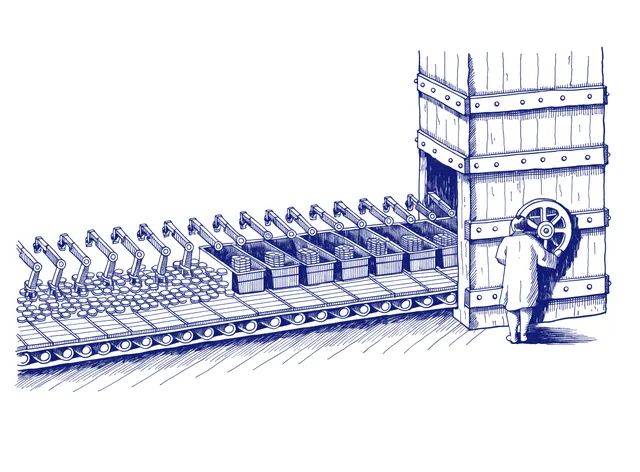
Aman Singh (1 Nov · 02), lead AI engineer at Arca, a wealth management firm whose AI agents do most of its background work, explained the limits on those agents to Latent Space. The agents analyse client accounts and propose plans over tasks that can last ten days, with many handoffs between people. Fixed rules, not the agents' own judgement, decide which tools they may use, and every trade is made by a human financial adviser. In Singh's words, "agents prompt people more than people prompt agents". Feedback from advisers and records of each agent run go to another AI agent, which suggests changes to the software that runs them.
Engineers at Meta (1 Nov · 03) reported on Catching JiTTests, a system that uses AI models to write tests aimed at bugs in a code change before it is merged. Each night it picks the previous day's riskiest changes and writes tests designed to fail if a change broke something. Several AI models and a separate set of fixed rules then filter out false alarms and rank what remains. Engineers hear only about the highest-ranked findings, and mostly confirm whether a change in behaviour was intended. Meta reports that the system helped catch 74 serious privacy bugs in the first half of 2026, before they reached production.
John Cutler (1 Nov · 04), a product coach who writes The Beautiful Mess newsletter, argued that the rush to build "software factories" is partly a defence of professional identity. By software factory he means a system of AI agents, tests and pipelines that builds software with little hand coding. When AI makes a skill cheap, Cutler writes, its practitioners move up a level and govern the automation instead. His concern is that each profession builds its own system, so engineering, product management and sales automation each stop at their own boundary. Design work, in his account, is left in the middle.
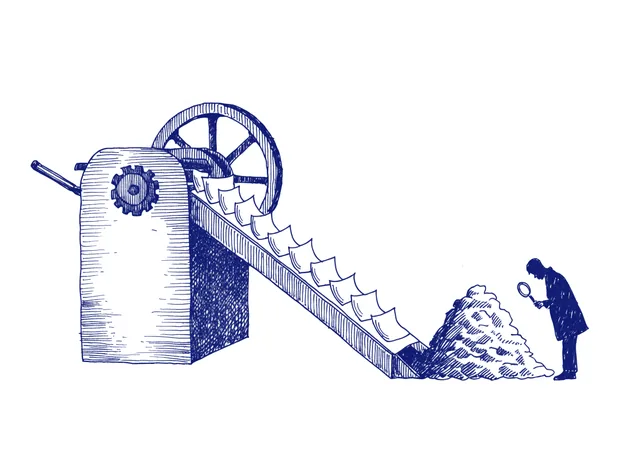
Michael Hill (1 Nov · 05), managing editor of LeadDev, reported on Atlassian's 2026 survey of 1,155 developers and 405 engineering leaders. Of those developers, 87% say AI tools help them write and ship code faster, yet 72% report the same or more friction than before AI. The share saying AI saves them at least ten hours a week fell from 68% in 2025 to 25%, and 65% now regularly review, debug and correct AI-generated code. Finding information and meetings remain the largest sources of friction. Developers whose organisations have a clear AI strategy are twice as likely to report less friction, but only 17% say theirs has one.
Nikhyl Singhal (1 Nov · 06), host of The Skip podcast, interviewed Dianne Na Penn, who leads product for Anthropic's research and Labs teams. New product managers there get a demanding first assignment and little structure, and are told to read two months of public channels and arrive with a view. The habit that fails, in her account, is deference: new hires are expected to learn why earlier ideas died and then question researchers and executives. Her team plans one month at a time against a short set of assumptions about the next three to six months, after dropping annual goals that went out of date within weeks.
In each account, a team decided in advance which step an AI agent may not take alone: approving a payment, moving client money or interrupting an engineer. Each decision was made by the people who built the system, a design team at Glomo and engineers at Arca and Meta. Cutler's essay suggests asking which other functions should help set that line; this is an inference from his argument. Atlassian's survey and Na Penn's account show what that line asks of people: developers spend the time AI saved on checking its code, and at Anthropic's research teams a product manager must have done the reading and be willing to disagree.
Glomo's design has not yet been tested with customers, Arca's account is a short interview summary and Meta's figures are Meta's own. Atlassian sells software to the developers it surveyed, and Na Penn describes her own team, through a host's summary of a podcast, at a company unlike most. The evidence for where to place the final human decision is still thin, and the right place may differ for every product.<br />
Glomo's product design team cut a planned voice payment assistant down to one job, repeating a past payment, and kept the final approval on screen with a face check.
At Arca, a wealth management firm, AI agents analyse accounts and propose plans, but fixed rules keep them away from client money and human advisers make every trade.
Meta's JiTTests use AI models to write tests that catch bugs in risky code changes before they are merged, and contact engineers only about the strongest findings.
John Cutler argues that the rush to build systems of AI agents that produce software partly defends engineers' professional identity, and that each profession automates only inside its own boundary.
An Atlassian survey reported by LeadDev finds developers saving ten hours a week with AI fell from 68% to 25%, as reviewing AI-written code takes up the gains.
Dianne Na Penn, who leads product for Anthropic's research teams, expects new product managers to read the history, then challenge researchers and executives, and plans a month at a time.