
AI agents now produce more pull requests, more code and more design work than teams were built to check. Five accounts published between 25 and 28 October show the people around that work changing what they do.
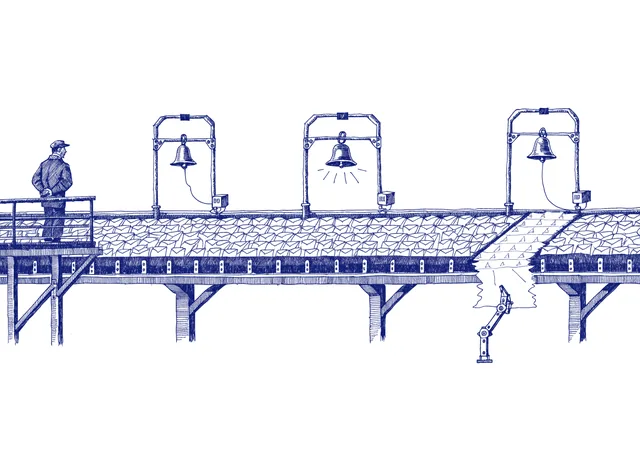
PostHog makes product analytics and developer tools, and its developer experience team keeps the company's code pipeline fast. Raúl Negrón-Otero (29 Oct · 01) reports that merged pull requests rose from 1,354 in October 2025 to more than 6,500 in October 2026. Watching the automated checks by hand could no longer keep up. The team copied its build data into an internal tool that AI agents can query. It then wrote three fixed queries that flag a flaky check, a broken main branch and a slower workflow, and agents investigate only what those queries flag. One fix the agents opened cut a check from 51 seconds to 33.
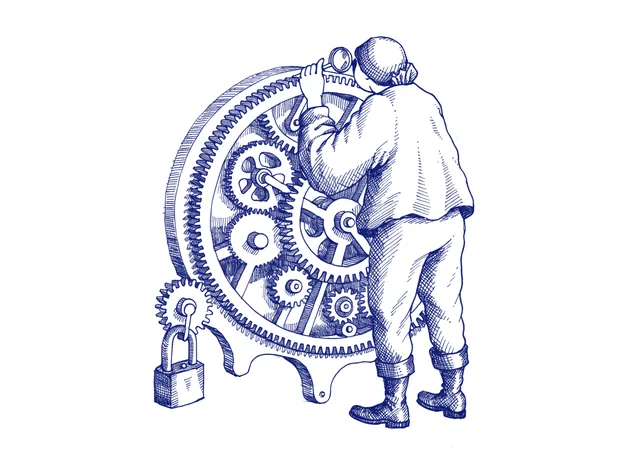
Sean Goedecke (29 Oct · 02) is a software engineer who writes essays about engineering practice. He argues that working well with AI agents is a set of skills that takes practice and lasts across AI model generations. The skills are giving the agent context and a reason, knowing which tasks it does well, knowing its mistakes, and reading its long output quickly. On review, he writes that AI-written code rarely has the counting errors people make. Its common faults are extra machinery for unimportant cases and invented requirements that displace real ones, so he advises reviewers to question each added safeguard.
Patrick Neeman (29 Oct · 03), a design leader who has led teams at Icertis, Evisort and Workday, writes in UX Collective. He argues that smaller teams need design leaders who do the work themselves. He cites Figma's 2026 AI report, in which the share of designers taking part in development rose from 21% to 41% in a year. In his account, the leader shows the quality standard by meeting it in public, in the same review channel as the team. He suggests that a director work inside one team for one day a week for a quarter. The director then compares that team's cycle time and quality with the teams around it.
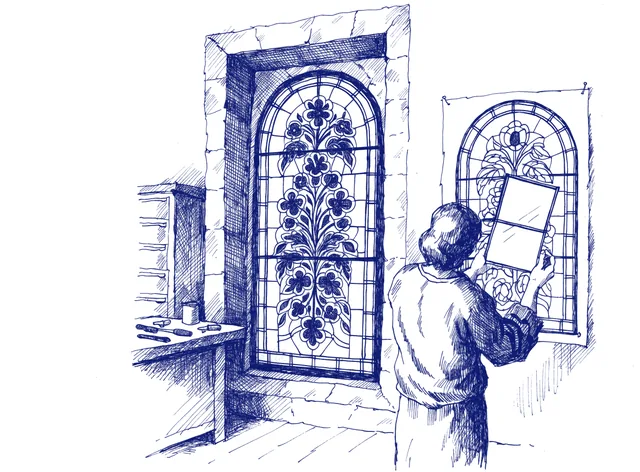
Bryan Elkus (29 Oct · 04) leads the software design practice at Atomic Object, a software consultancy in Ann Arbor. He writes that designers now work with an AI model at every stage, from early research to the shipped product. Once a team builds in the live codebase, the prototype becomes the product, and the AI model fills every gap in a request with a plausible default. In his account, dozens of such defaults can move a product away from the users the team studied, without anyone deciding it. He advises changing one piece of the interface at a time and checking it against the current product before merging it back.
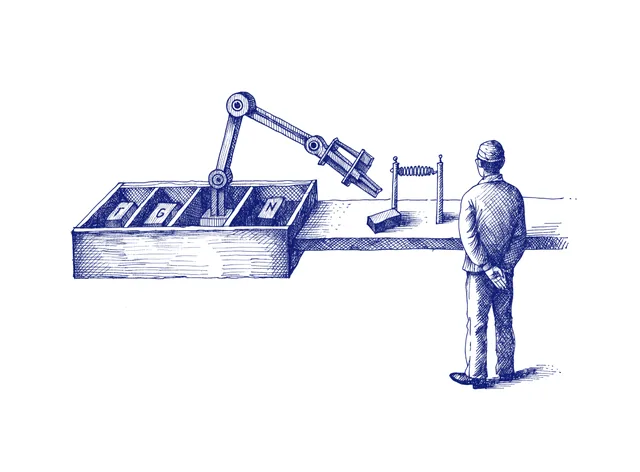
Nishant Choudhary (29 Oct · 05), a design engineer and frontend architect, writes that AI coding agents now build more interface than most teams review. An AI agent cannot see a file in the design tool Figma. A design system works for it only if its rules are written as text in the code repository. He proposes design tokens named for their purpose, a written contract for each component and lint rules that fail the build. He also asks for reference screens in the repository and required loading, empty and error states. He argues that a rule which matters should be able to fail the build, so that the agent reads the error and corrects its own work.
In all five accounts, the check moves closer to the work. PostHog writes down in advance what its agents should look for. Choudhary puts a design system's rules where an AI agent reads them, with checks that fail when it breaks them. Goedecke asks reviewers to learn how AI-written code goes wrong, and Elkus checks each small change against the product before it merges. Neeman asks leaders to review from inside the team rather than above it. The inference, which none of the authors states, is that a team cannot leave checking to a separate stage once AI agents set the pace.
PostHog sells the analytics and agent features it describes, and the other four pieces are opinion essays without measured results. Each may describe what works for a strong team rather than for an average one.<br />
PostHog's developer experience team let AI agents fix its code pipeline only where three fixed queries flag a problem, after merged pull requests rose almost fivefold.
Sean Goedecke, a software engineer, argues that working well with AI agents takes practice, and that reviewing AI-written code needs habits of its own.
Patrick Neeman, a design leader, argues that AI is shrinking design teams, so design leaders must again do production work and have it reviewed in public.
Bryan Elkus of the consultancy Atomic Object argues that designers building with an AI model should refine one piece at a time and check it against the product.
Nishant Choudhary, a design engineer, argues that a design system needs text rules and failing checks in the code, because AI coding agents cannot see files in Figma.