AI agents now start work that no person asked for, so someone has to own the rules that limit them. Five pieces from this week place those rules with a manager, with dedicated teams, in the machine itself and in a company's own standards.
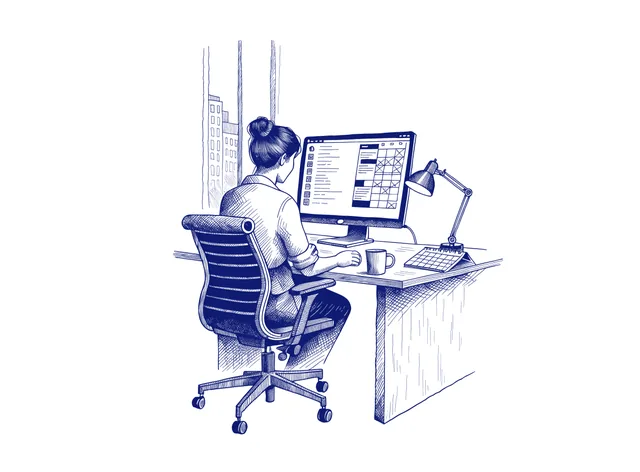
Kaushik Sarkar and Muralikrishnan Puthanveedu (10 Oct · 01) write on the blog of Thoughtworks, a software consultancy, about managers whose AI agents act overnight. In their example, a sales manager's agent drafted three renewal plans, emailed two customers, flagged a pricing error to finance and moved a meeting, all unasked. The authors argue that middle managers will move from supervising people's output to auditing decisions that people and agents make together. They propose a register of what each agent may decide, with escalation routes and audit trails, because "delegating execution to an agent does not automatically delegate accountability".
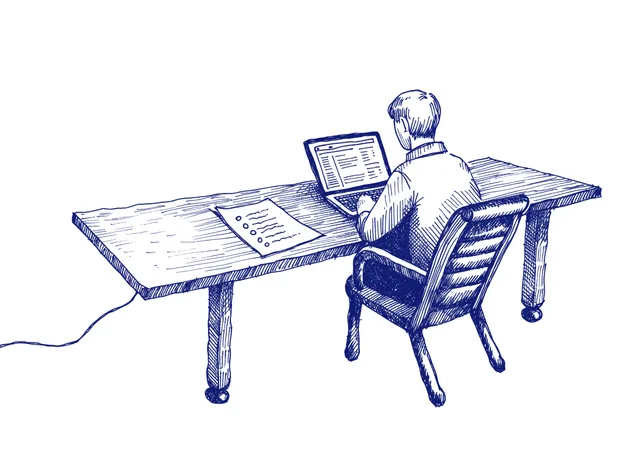
Jina Yoon (10 Oct · 02) describes a role change at PostHog, which makes product analytics and developer tools. PostHog's Wizard is an AI agent that installs PostHog into a customer's code. In early versions, wrong answers slipped past review, and the documentation built into the agent went out of date. When the docs team took over the agent, its technical writers renamed their team and job titles to context engineers. They now maintain what the agent reads and collect the problems it reports after each run. They also write down what it must never do, and review test reports whenever documentation or code changes.
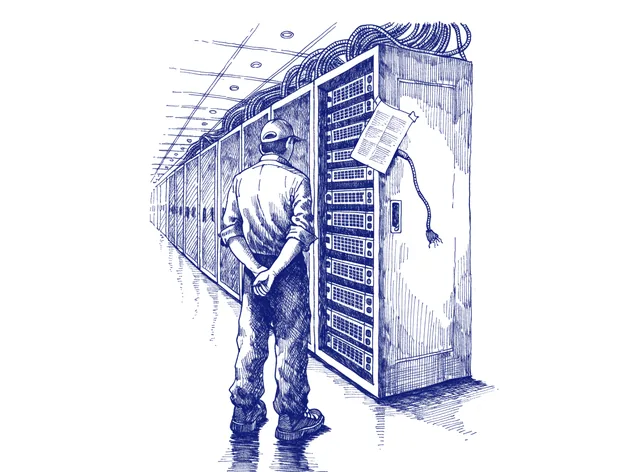
Cleo Lant and Alessandro Pogliaghi (10 Oct · 03), also at PostHog, explain the system that runs the company's AI agents on cloud machines. One feature turns errors, support tickets and session recordings into reports, and an agent starts coding on its own when a report clears the team's priority threshold. That adds up to thousands of runs a day, each reading untrusted text from a customer's product while it has access to the code. A second AI model screens that text and blocked 1,374 items in one week, but the authors note that its answers are not predictable. So the team added a network allowlist that the machine enforces, which the agent cannot get around however it is prompted.
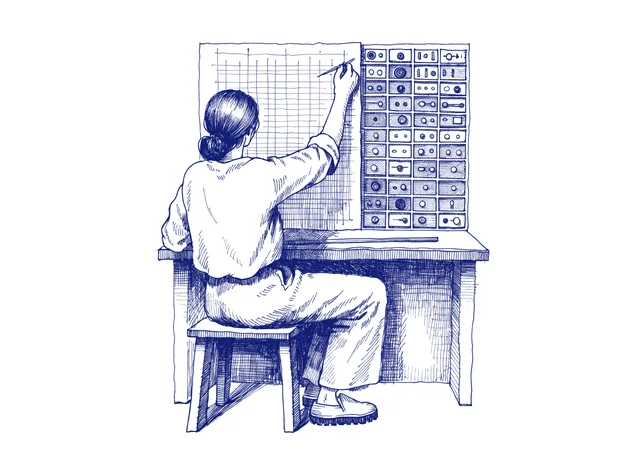
The editorial team of DesignWhine (10 Oct · 04), a design publication, writes about the AI agent in Figma, a design tool, which became generally available on 6 October. Teams can now attach written guidelines to a design library, and the agent can update components in bulk and review proposed changes before they are published. The authors argue that this turns a design system's rules from documentation people read into instructions software applies. They warn that the agent cannot enforce a rule nobody wrote down, so an unclear system will spread its mistakes faster. They expect design-system teams to work like internal platform teams that version the agent's instructions and check its output.
Angie Jones (10 Oct · 05) is a vice-president at the Agentic AI Foundation, which hosts open standards for AI agents. In an interview with Bill Doerrfeld of LeadDev, a publication for engineering leaders, she says engineers use AI agents and too few are learning to build them. The skills she finds missing are controlling what an agent can do, observing its actions and tracing a failure. Doerrfeld reports that use of the Model Context Protocol, a standard that connects agents to data and tools, is growing faster than companies' rules for it. Jones advises senior leaders to ask whether a standard is stable and governed by a neutral body before building on it.
Read together, the pieces put an AI agent's rules in a named person's job, a team's daily work, the infrastructure underneath and the standards a company adopts. The inference here, not any author's claim, is that a rule which must always hold belongs in the machine, while a rule that needs judgement belongs with a named person. DesignWhine and Angie Jones add a step before either: the rules must be written down, and engineers must know how to build the systems that apply them.
Two of the five pieces are PostHog describing its own products, and the other three are argument and commentary without first-hand evidence. None of them reports a production agent that failed and what its team changed afterwards.
Two Thoughtworks consultants argue that managers will audit decisions shared with AI agents, and that organisations must record what each agent may decide.
At PostHog, technical writers who took over an onboarding AI agent became context engineers, owning what it reads, what it must not do and how its output is checked.
PostHog engineers put a network block that the machine enforces beneath the AI model that screens agent inputs, because that screening AI model can miss what it should catch.
DesignWhine, a design publication, argues that the AI agent in the design tool Figma can now apply a design system's written rules, so unclear rules will spread mistakes faster.
Angie Jones of the Agentic AI Foundation, a standards body, says engineers must learn to build AI agents, and companies need their own rules for the tools agents connect to.