QCon San Francisco 2026: How to Kill the Code Review
Daniel Curtis · 26 November 2026
Read the originalAnkit Jain, chief executive of the code review company Aviator, told QCon San Francisco that team-owned written rules and recorded evidence should replace line-by-line review of agent-written code.
Daniel Curtis of InfoQ reported a talk at QCon San Francisco 2026 by Ankit Jain, co-founder and chief executive of Aviator. Aviator sells code review software, and Jain disclosed this as a conflict of interest. Jain argued that most teams now approve AI-written pull requests without really reading them, and proposed six steps to replace a single human review.
- A Faros study of more than 4,000 teams found over 75 percent of pull requests merge with no human review, while the median pull request is now 640 lines.
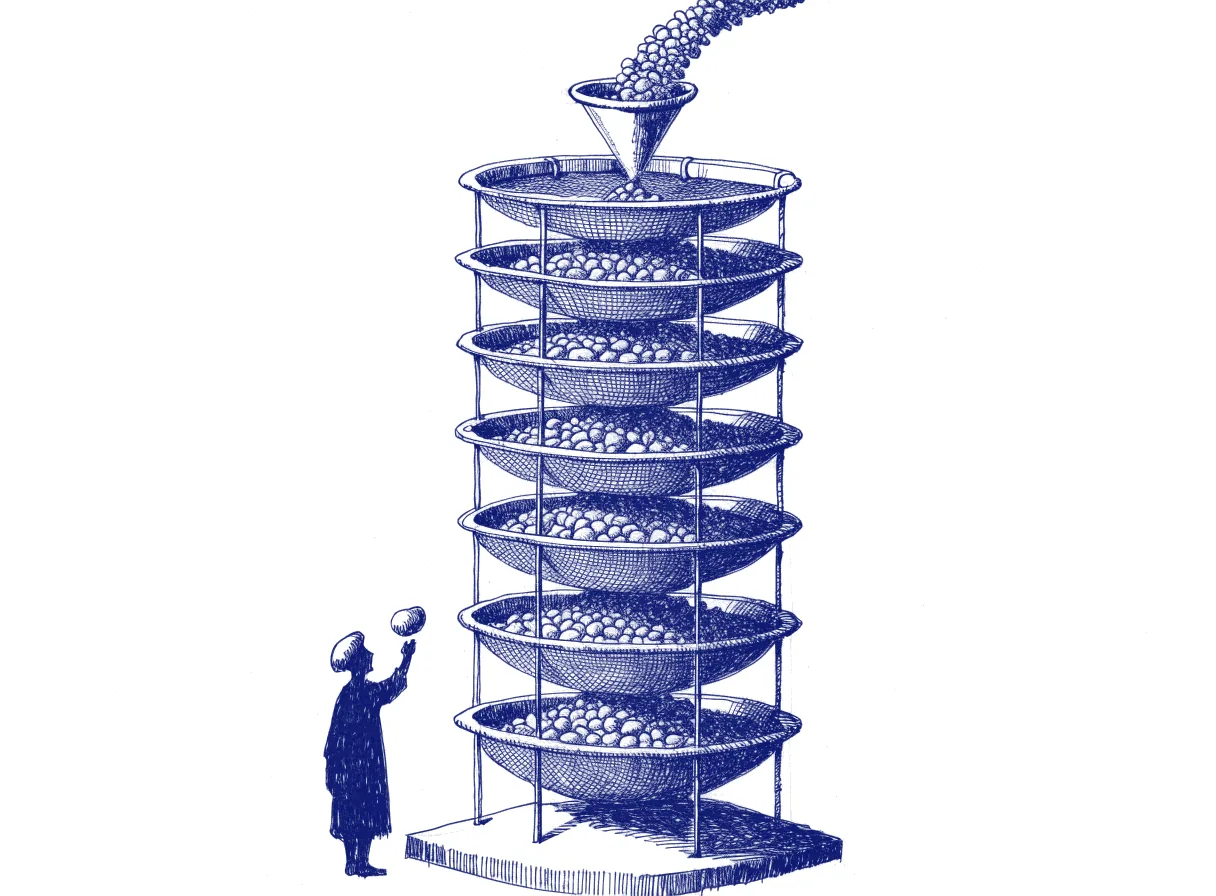
- Aviator mined 11,000 of its own review comments into 64 standing rules, each with a scope, a source, a way to verify it and an owning team.
- Jain asks for evidence such as screenshots, recorded requests and database logs, because the agent that wrote the code probably wrote its unit tests too.
- His nine-engineer team merges four times as many pull requests as a year ago, with reverts down about 40 percent; security, authentication and billing code still gets line-by-line review.
An engineering team could start by turning its most frequent review comments into written, owned rules before reducing human reading. This is a vendor's account of its own approach, and an 18-minute outage that passed every rule shows the gaps that remain.
Attach evidence such as screenshots, recorded requests and database logs to each agent-written pull request instead of relying on passing tests alone.
Turn review comments that recur into written rules, each with a scope, a source, a way to verify it and an owning team.
Derived by Working Surface from the article; more in the Playbook. Source line: You can outsource your thinking. You cannot outsource your understanding.
27 November 2026: AI agents have made output cheap, and engineering leaders, product thinkers, a review vendor and a designer each argue that the gain now depends on writing down what good work looks like and naming who owns that standard.