Software factories and code reviews with Harjot Gill
Gergely Orosz with Harjot Gill · 18 November 2026
Read the originalCodeRabbit's chief executive Harjot Gill says his engineers now review whole releases instead of single pull requests, and lose the right to skip review after outages they cause.
Gergely Orosz, who writes The Pragmatic Engineer newsletter, interviewed Harjot Gill, founder and chief executive of CodeRabbit, a company that sells AI code review. Gill says he shipped over 5,000 pull requests in one month with AI agents, at about $150 each. He explains how a team of 40 engineers keeps quality while changing how review works.
- CodeRabbit engineers review releases that bundle several pull requests, and spend more time reviewing plans and the finished product.
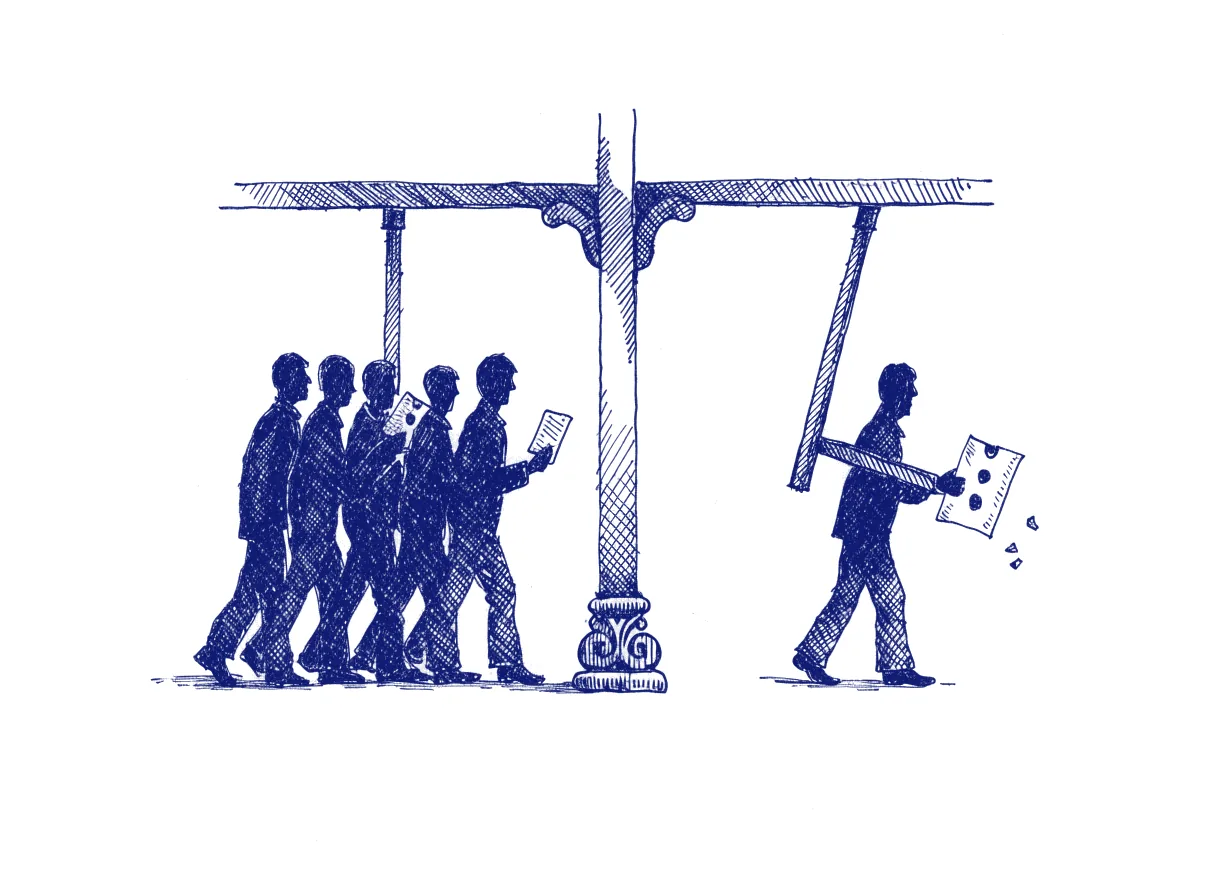
- Engineers on a review-exempt list push to production without review; each outage traced to one of them is a strike, and enough strikes bring review back.
- Gill wants AI agents to check their own work through formal models, simulations, copies of real services, test deployments and staged rollouts that an AI agent watches.
- Engineers, product managers and designers gather in one room to steer AI agents together from a prototype to a working product.
The review-exempt list with strikes shows one way to tie the right to skip review to results in production. CodeRabbit sells AI code review, and Orosz notes that its spending on AI is far above what most companies report.
Let named engineers release code to production without review, and put their releases back under review after a set number of outages traced to their changes.
Review a release that bundles several pull requests, together with its plan, instead of reading each pull request alone.
Derived by Working Surface from the article; more in the Playbook. Source line: Inside of CodeRabbit, engineers are reviewing releases (multiple PRs), not individual PRs.
19 November 2026: as AI agents write most of a team's code, the human check moves from reading each pull request to owning the rules on which changes a person reads.