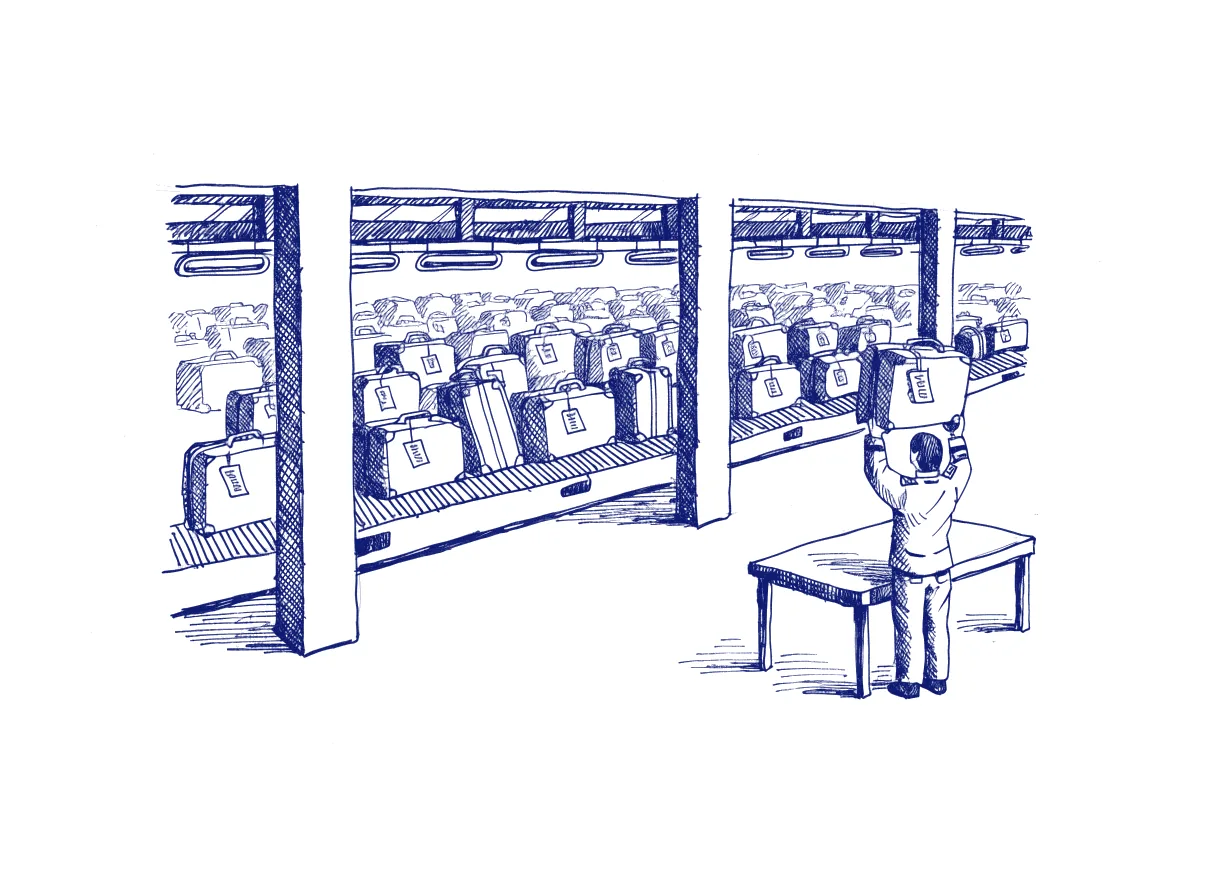
Addressing the code review bottleneck
Ben Holmes · 5 November 2026
Read the originalA Warp engineer has AI agents review and test their own code changes and score each pull request's risk, so people know which parts need their attention.
Ben Holmes, an engineer at Warp, which makes a terminal and software for running teams of AI coding agents, wrote on the company's blog about the backlog of agent-written pull requests waiting for people to review. Holmes does not propose merging without a person. He sets out three ways to cut the time each review takes, drawn from the default setup of Warp Factories, the company's product.
- A review agent reviews the coding agent's work in rounds before a person sees it, and hands a question back to a person only when a change goes beyond product decisions already written down.
- The agent tests its work as a user would, on a virtual computer, and attaches screenshots and recordings of the state before and after; Warp trims the recordings to 10 to 15 seconds.
- Each pull request is scored on five measures: how well it was tested, whether it stays within the task, how much it touches, how hard it is to undo and whether its errors would be seen.
- Warp is testing a check that decides whether a change needs several rounds of review at all, and its early results favour keeping those rounds for larger features.
An engineering team can add fields such as impact and the cost of undoing a change to its pull request description, and have agents fill them in before a person reviews. This is Warp's account of its own product, and it reports no figures for the time saved.
Have the AI agent score each pull request for how well it was tested, what it touches and how hard it is to undo, so the reviewer knows where to look first.
Require screenshots or short recordings of the state before and after a change in every pull request an AI agent opens.
Derived by Working Surface from the article; more in the Playbook. Source line: Focus engineering on the systems driving your agents, instead of reviewing every PR line-by-line.
8 November 2026: teams using AI agents are moving human review from reading everything an agent produced to settling the decisions it hands back, with evidence attached.