Rebuilding our Microsoft Foundry Labs site with a three-people build team and AI
Mark Armstrong · 1 October 2026
Read the originalA three-person Microsoft team rebuilt its Foundry Labs site by prototyping with AI tools first, then revising a 32-page specification against the prototype until engineering took over.
Microsoft's Foundry Labs website lists AI models, tools and research projects from teams across Microsoft, and it became hard to search once the catalogue grew past 20 projects. Principal product manager Saumil Shrivastava assembled a team of three: technical program manager Gulsimo Osimi, software engineer Pratyansh Agrawal and senior product marketing manager Patrick Widjaja. Osimi replaced a long specification with an AI-built prototype revised alongside the document, and Agrawal turned the prototype into the production site in about three months.
- Osimi first wrote a 32-page specification, and the team found the document a poor way to communicate the plan.
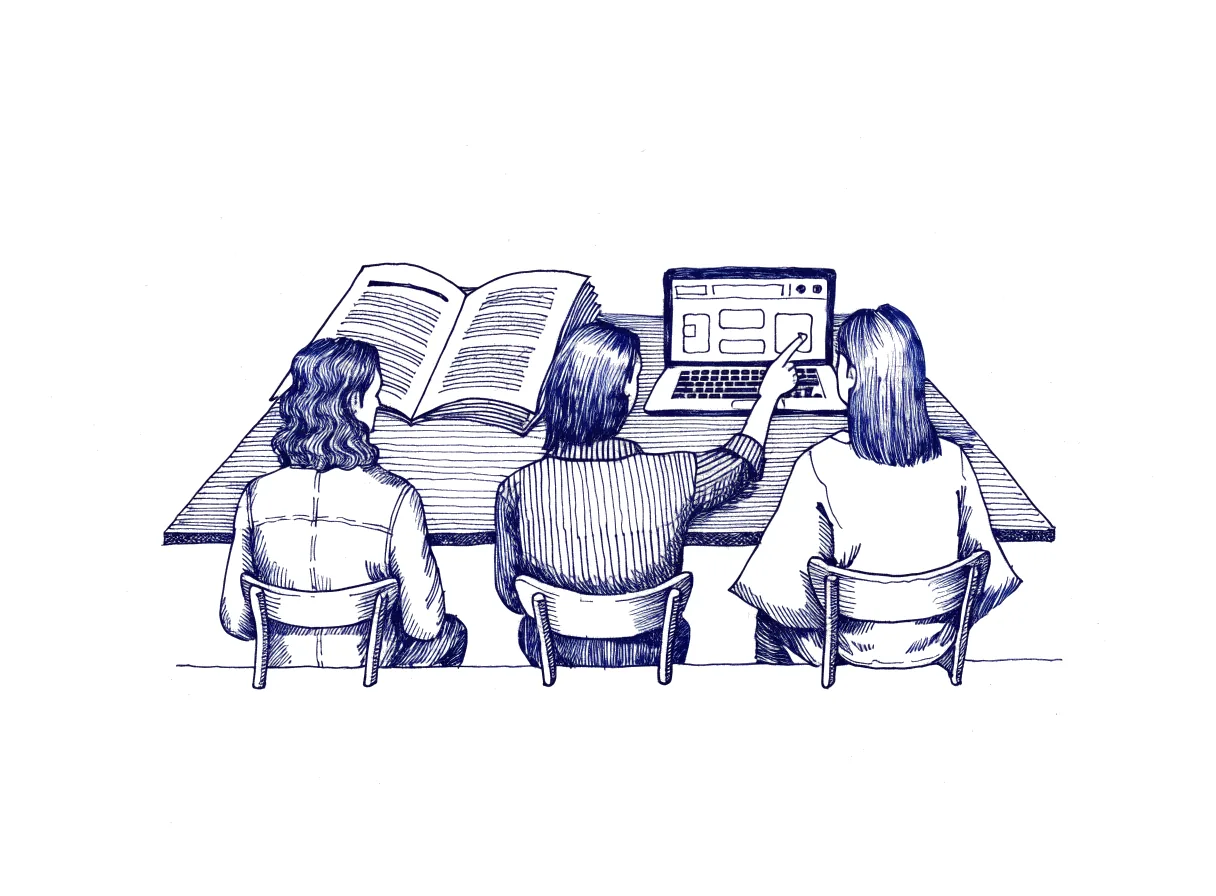
- The specification and the prototype were revised against each other, and a showing at an internal Microsoft demo fair won support from engineering and marketing partners.
- Widjaja used AI tools for branding, design, copy and images, and the team says it went from sketch to full website in a month.
- Agrawal built a structured WordPress content model, and the team names architecture, security, privacy, accessibility and performance as work a prototype does not cover.
This is Microsoft's own blog describing its own team, and it does not say who reviewed the AI-assisted code. The inference, which is not the author's claim, is that a team prototyping first should decide who keeps the specification in step with the prototype once engineering starts.
Show the working prototype to stakeholders before the production build, so that engineering and marketing partners can commit early.
Revise the written specification and the working prototype against each other, so that a change in one is checked in the other.
Derived by Working Surface from the article; more in the Playbook. Source line: Developing a prototype is one thing, but making it a product is different.
4 October 2026: when a team prototypes before it writes requirements, the written specification engineers build from becomes a deliverable produced alongside the prototype, not something left to the builder's memory.