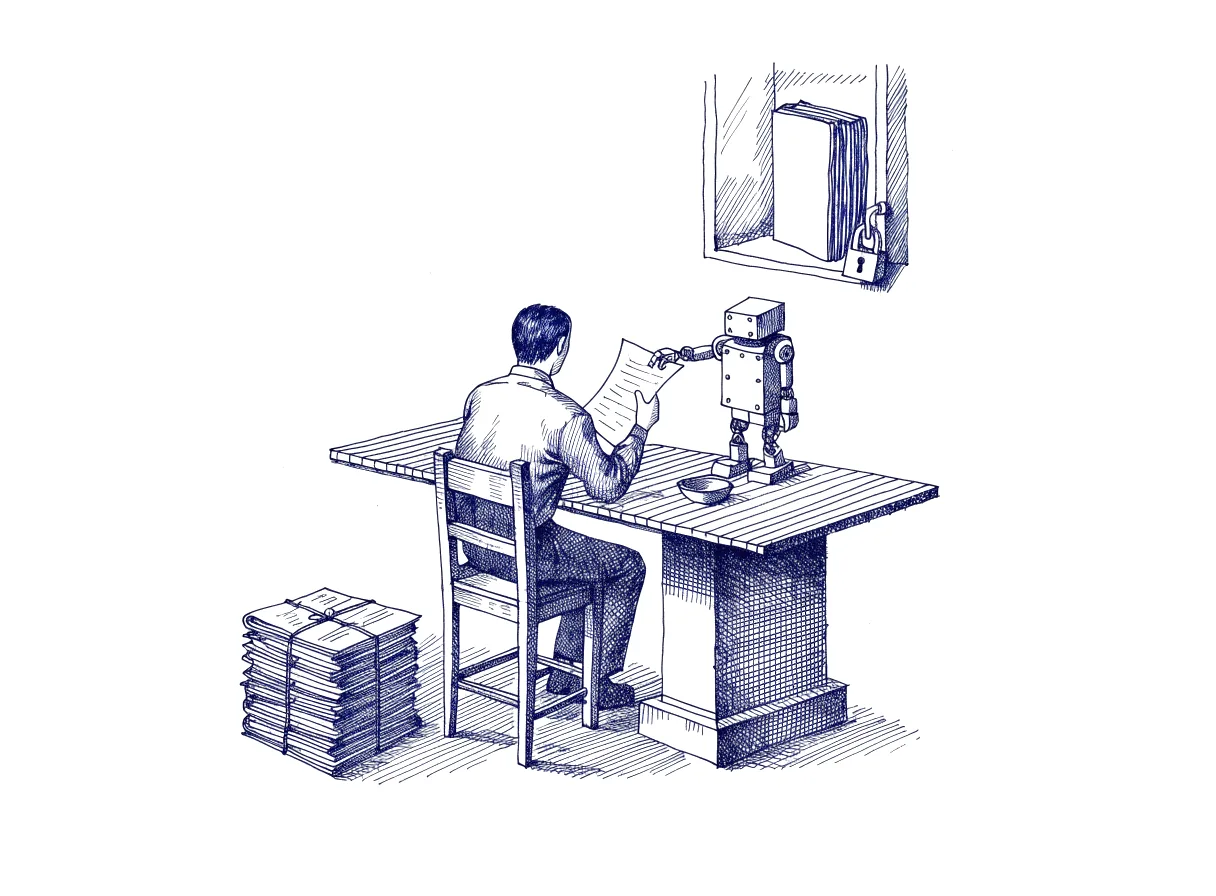
The Approve Button Is Not a Control
Rama Lingamgunta · 29 September 2026
Read the originalRama Lingamgunta, who builds AI agent platforms, replaced a single Approve button with three earlier approvals after a reviewer passed a 1,400-line agent change in under two minutes.
Rama Lingamgunta builds platforms on which AI agents take work from requirements through code, tests and deployment. The first approval step Lingamgunta built for a coding agent was one Approve button on its finished change. Within a month a reviewer approved 1,400 changed lines in under two minutes, because the agent's own tests passed.
- Lingamgunta now uses three small approvals, each owned by a named person. A product owner approves what will be built before any code, an engineer approves the design, and the service owner approves the release.
- A fixed list of changes always needs a person, however small the change: security and secrets, infrastructure, database migrations, new dependencies, personal data and the approval rules themselves. A simple script outside the agent checks each change against the list.
- The agent writes the reviewer a brief that states what was asked, what changed, which requirements have no test and what it left out. Lingamgunta says the last two items are where reviewers catch problems.
- Each approval is stored against a fingerprint of the brief the reviewer saw, so any later change voids it. The agent may not cite past approvals to argue for a new one.
An engineering team that reviews an agent's work only once the change is finished may be approving decisions that nobody examined when they were cheap to change. The author's organisation is not named and the piece reports no measured results, so the wider application is an inference.
Keep a fixed list of changes that always need a person's approval, including changes to the approval rules, and check it with a script the AI agent cannot edit.
Have a coding agent attach a note to each change listing what was asked, what changed, what has no test and what was left out, for the reviewer to check.
Derived by Working Surface from the article. Source line: If an agent can edit the file that decides what needs approval, you don’t have gates, you have suggestions.
29 September 2026: when AI tools do the making, a team has to keep some of the old steps on purpose.