AI makes design system guardrails mandatory; this framework delivers them
Anton Lovchikov and Yuri Mandrikov · 23 September 2026
Read the originalEvil Martians, a product consultancy, stops AI agents that build screens from changing the design system, and records every exception for a person to review.
When AI coding agents build screens from bare design-system components, they guess how to use them, override their styles and create duplicates, and later sessions copy those workarounds. Anton Lovchikov, head of design, and Yuri Mandrikov, a frontend engineer, at the consultancy Evil Martians describe eight changes they make to prevent this. The framework comes from client work and is published as a set of agent instructions that teams can install.
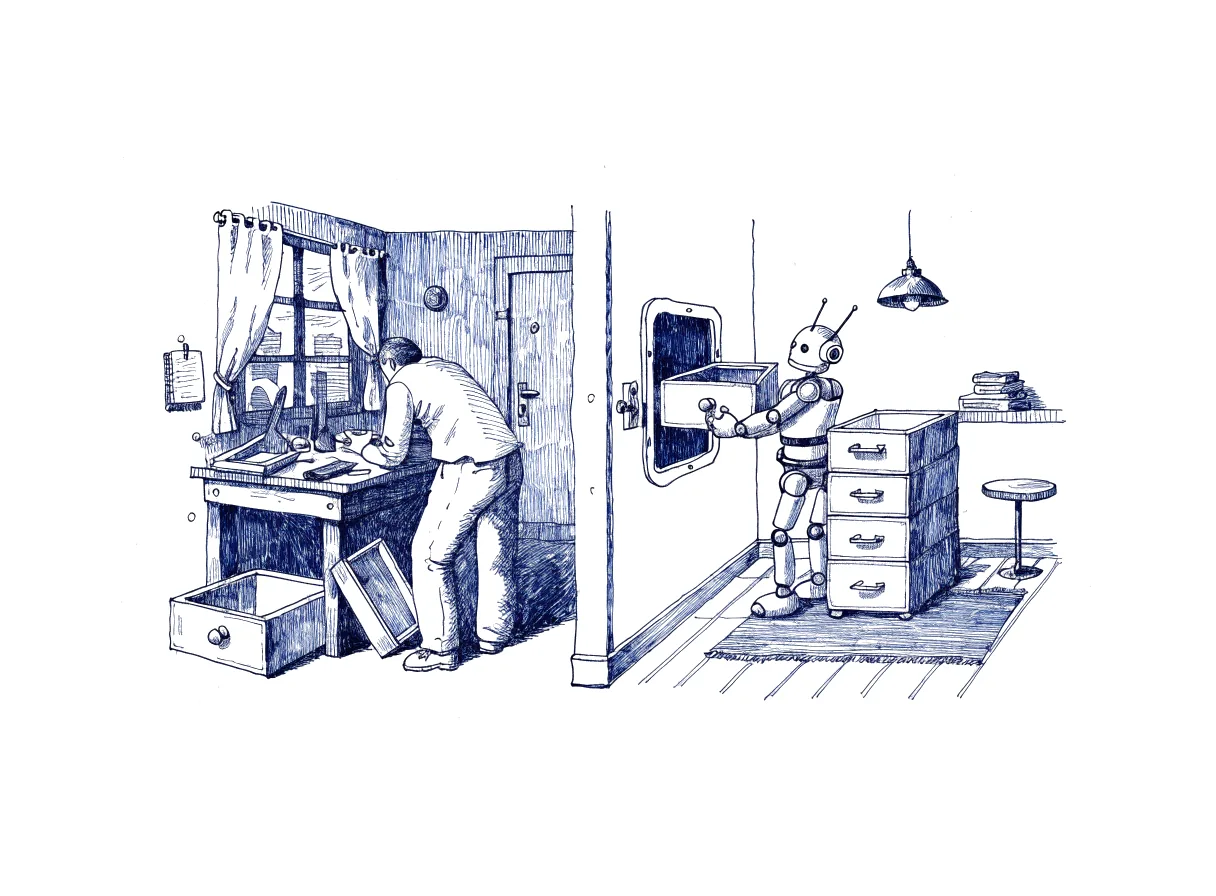
- Building screens and maintaining the design system run as separate agent workflows. An agent building a screen that finds a component missing records the gap and works around it without changing the system.
- Each component has a written contract: what it is for, when to use it and when not to, and what it guarantees. Agents choose components from an index of these contracts rather than by reading code.
- Rules that a script can check, such as a ban on colours outside the approved set, are enforced by automated checks rather than left to the agent's instructions.
- A local exception to the system must state its reason, and every gap or exception goes into a log that the team reviews. The article presents a consultancy's framework and reports no measured results.
Keeping the agent that builds a screen from changing the system it is checked against leaves decisions about the system with the people who maintain it. This is an inference and is not the authors' claim.
Keep building screens and maintaining the design system as separate jobs for AI agents, so an agent that needs a missing component notes it instead of changing the design system.
Make one person responsible for the design system, separate from whoever builds screens, and have that person review every gap or exception the builders record.
Derived by Working Surface from the article. Source line: Separate product building from design system maintenance: keep screen work and component work in different workflows.
24 September 2026: teams set the rules for agent-built work before it starts, and people judge what falls outside them.