What the Loading State Promises
Leonardo De La Rocha · 19 September 2026
Read the originalA designer noticed that the loading text of his AI feature described several steps while the system made one quick call, and his design lead argued for a simpler indicator.
A designer at a company that makes software for clinicians is adding a button that explains the chart a user is looking at. He brought four questions to a silent critique, a review in which everyone writes feedback before anyone speaks. His design leader, Leonardo De La Rocha, wrote up the answers in his newsletter Design Outcomes.
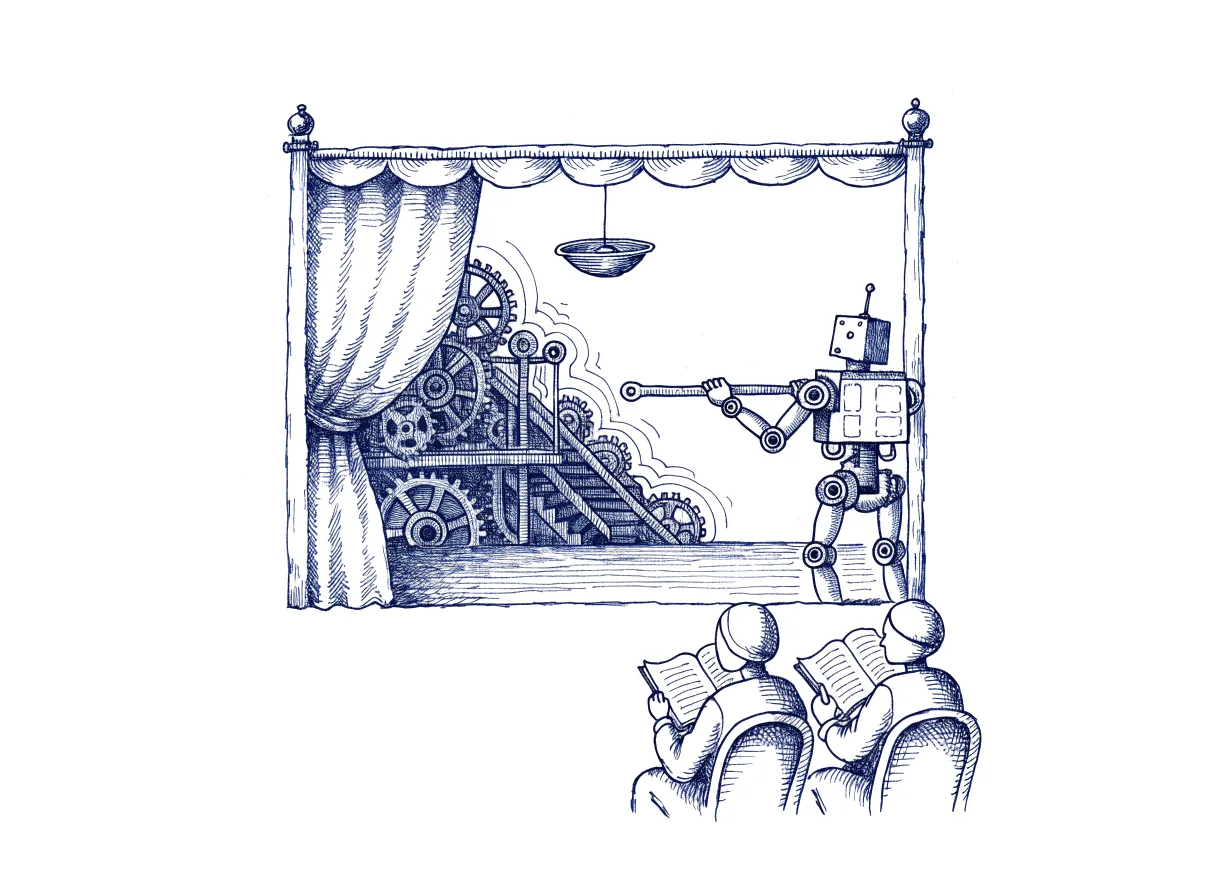
- The designer's options included loading text such as "looking at your data". He pointed out himself that such text was designed for agents that run several steps, while this feature makes one call that returns in 4 or 5 seconds.
- De La Rocha concluded that the loading state should promise little: a spinner, or the illustration the product's other AI features already use.
- Because follow-up questions cost money while the feature is free, he favours putting more depth into the first answer, in sections the user can expand.
- He prefers the name "Explain this" to "Analyze", because the answers are deliberately brief and point to where to look next.
A reviewer can check, without reading any code, whether an interface claims more work than the system performs. Applying this check beyond AI loading states is an inference and is not the author's claim.
Check in design critique whether an AI feature's loading state describes more steps than the system runs, and use a plain spinner for a single quick call.
Derived by Working Surface from the article. Source line: Status text on a single call is theater.
21 September 2026: when AI agents build quickly, people keep the review, the responsibility and the promises an interface makes.