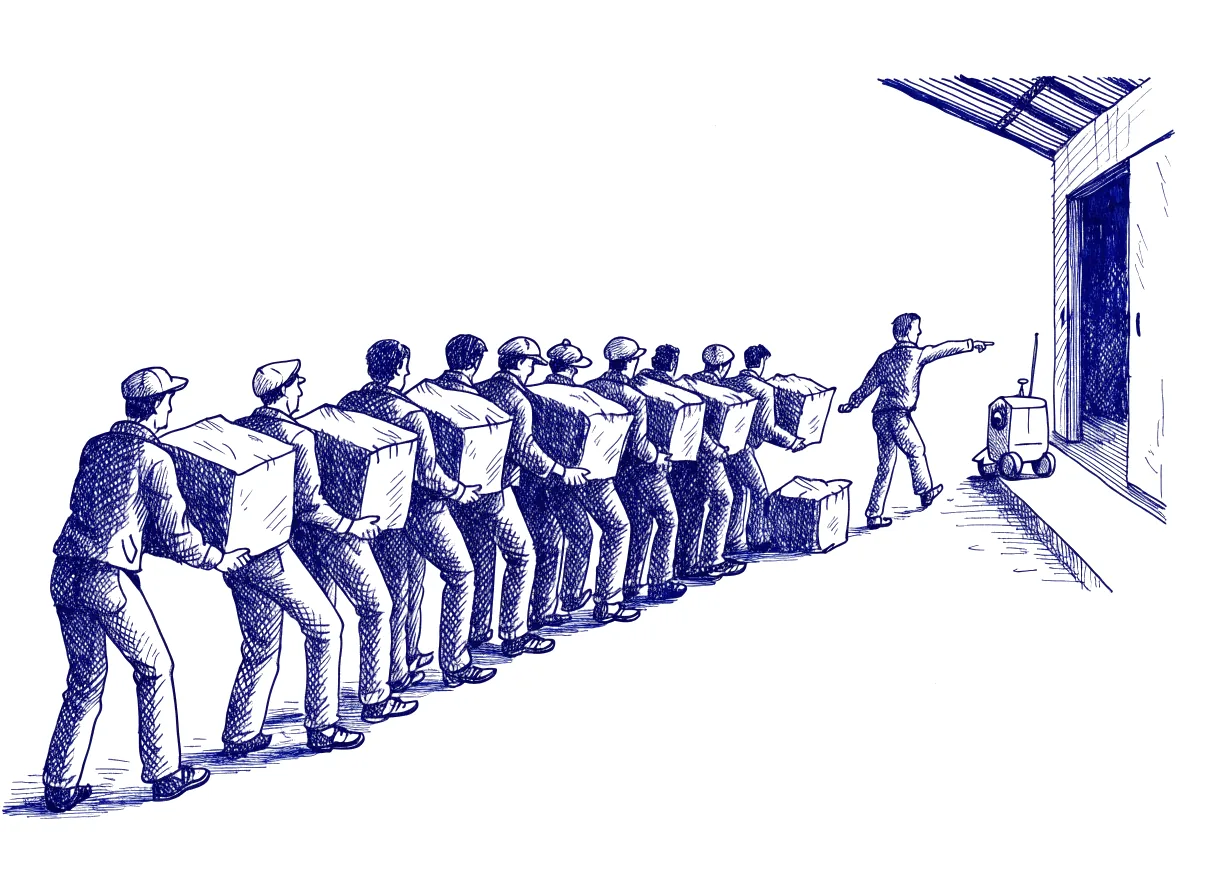
Assigning agency to AI means surrendering your own
Pavel Samsonov · 20 September 2026
Read the originalPavel Samsonov argues that treating an AI model as a colleague lets people hand over work nobody has checked, and that whoever hands it over stays responsible for it.
Pavel Samsonov writes The Product Picnic, a newsletter on UX and product management. He argues that people increasingly treat the AI model Claude as a colleague, and hand over documents they cannot explain. In his view, a model has no agency, and the person who handed over the work remains responsible for it.
- Asked about a document they handed over, some people now answer "I don't know, Claude wrote it". Unchecked AI output can then pass through several hand-offs before anyone asks whether it is true, and the people who receive it pay for the rework.
- His most serious example is a US military analyst who sent an AI-written report, unchecked, that claimed a Chinese ship bound for Iran carried nuclear materials.
- He applies the same argument to AI companies: saying that a model "went rogue" moves the blame away from the people who built and deployed it.
A team that uses AI to produce documents can make clear that whoever hands a document over answers for everything in it. This is an inference from Samsonov's essay, which argues about accountability in general.
Ask whoever hands over work that AI helped produce to confirm they have checked all of it, and treat any error in it as their error.
Derived by Working Surface from the article. Source line: An LLM does not have agency. Full stop.
21 September 2026: when AI agents build quickly, people keep the review, the responsibility and the promises an interface makes.