AI agents and people outside engineering can now change real products quickly. Four pieces from Monzo, Shopify, a design-system practitioner and Figma's customers show that teams make this safe by first preparing the ground the work runs on.
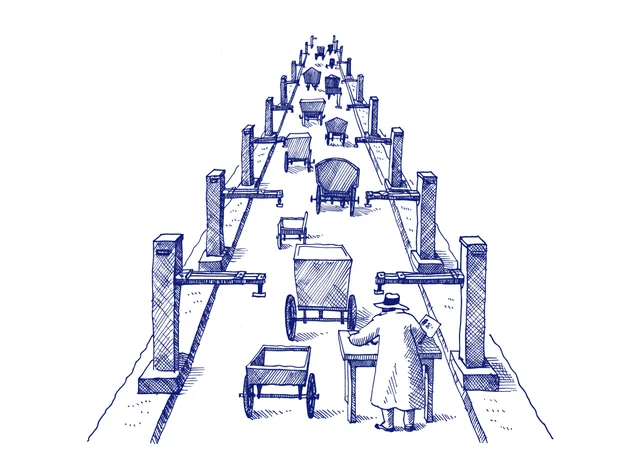
Suhail Patel (25 Oct · 01) is a staff engineer in the platform group at Monzo, a British digital bank that ships changes hundreds of times a day. In a talk published by InfoQ, he describes one service template and more than 3,000 example services in one repository. With command-line tools that give predictable output, they let engineers and AI agents follow the same conventions. Automated checks confirm that code is built correctly, and every change still needs review by the human owner of the service. Skipping a check requires an escalation and a written reason, and each bug behind an incident becomes a new check. In his words, "CI gives you confidence that you have built the thing correctly."
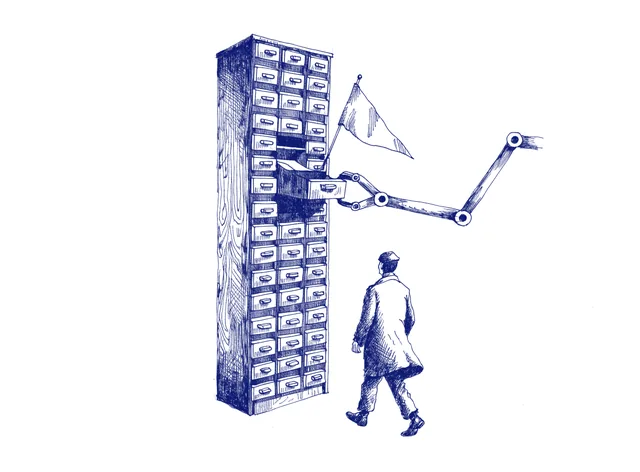
Shadi Abd (25 Oct · 02), writing in Design Systems Collective, a publication about design systems, describes what happens when an AI agent meets an enterprise design system. The agent reintroduces retired patterns and rebuilds components that already exist, because the reasons behind the system live in people's heads. Abd proposes four steps: define each part, map design to code, record which rules apply to which product, and verify the result with tests. Where no rule or documented exception exists, the agent should report the gap for review instead of inventing a new rule. Abd argues that written instructions guide an agent but only tests, linting and automated checks enforce the rules.
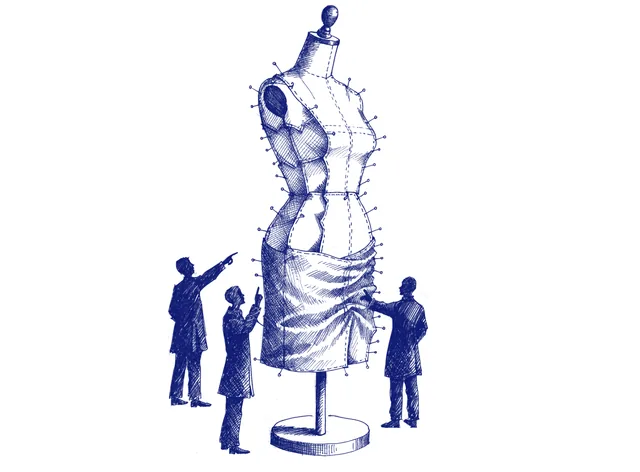
Camille Rose Shortridge (25 Oct · 03) is a customer marketing manager at Figma, the design tool maker. She collected how six teams use code layers, which are prototypes built from working code on the Figma canvas. Lindsay Brechler, a senior product manager at Cox Automotive, used the Figma agent to produce 19 versions of a dealer feature in about an hour of her own time. Miguel Wermuth, a product designer at Dell, builds his prototypes from the same React components the developers use, so reviewers see how the shipped product will behave. This is Figma's own account of its product, and the time savings are as the customers reported them.
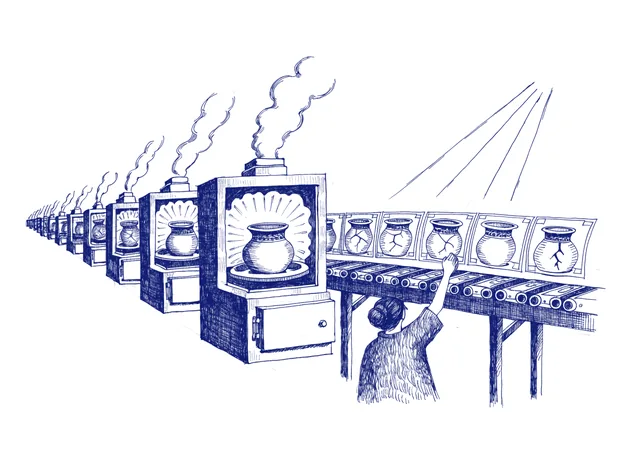
Michael Garfinkle, Mauricio de Meirelles and David Cortes (25 Oct · 04) describe on Shopify's engineering blog how mobile engineers outgrew their laptops. Three or four AI agent tasks running at once were enough to overload a machine. The team built Remote Dev, a pool of prepared remote Macs where each agent session builds, tests and runs the iOS and Android apps. The agent records the broken behaviour, applies a fix and repeats the same steps, so a reviewer sees the result before and after. The share of merged mobile pull requests written by River, Shopify's AI agent in Slack, rose from 6% to 61%.
In all four accounts, the speed came from earlier investment in shared parts, written rules and tools that give the same result every time. People stay where judgement is needed: the code owner at Monzo, the reviewer watching Shopify's recordings and the design-system team deciding which differences are policy. The inference, which none of the authors states in these words, is that a team without that groundwork will see faster output without safer output.
Monzo and Shopify spent years building internal platforms that most companies cannot copy, and Figma's figures come from its own customer marketing. For a smaller team, the lesson may only be that large companies with strong platforms adopt AI agents well.
Monzo, a British digital bank, lets engineers and AI agents ship safely by keeping one service template, strict automated checks and a human code owner on every change.
Shadi Abd argues that an AI agent working in an enterprise design system guesses wherever rules are unwritten, so teams should record the rules and verify them with tests.
Figma reports that product managers and designers at Cox Automotive, Dell and four other teams use coded prototypes on its canvas to align stakeholders before engineers build.
Shopify gave its AI agent remote Macs to build, test and record mobile app fixes, and the agent's share of merged mobile pull requests rose from 6% to 61%.