Four teams and a product leader this week moved the checks on AI work out of the AI agent and into rules, records and people that the agent cannot override. Each wrote down a decision or a limit first, and only then let AI work inside it.
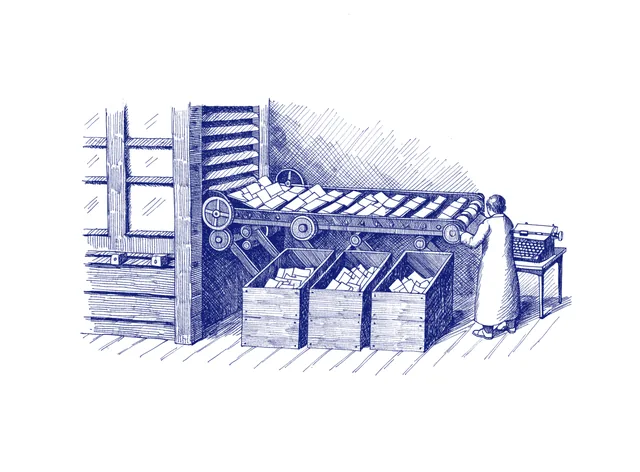
Himanshu Sharma, writing on the blog of the technology consultancy Thoughtworks (23 Oct · 01), starts from a one-line request to let users export a filtered report. An AI assistant turns that into a user story that looks finished in seconds. It cannot know which records the filter covers or what counts as a duplicate, so it quietly invents answers. Sharma has the assistant sort the notes into confirmed, assumed and unknown items, and the team settles the open questions before AI drafts any acceptance criteria.
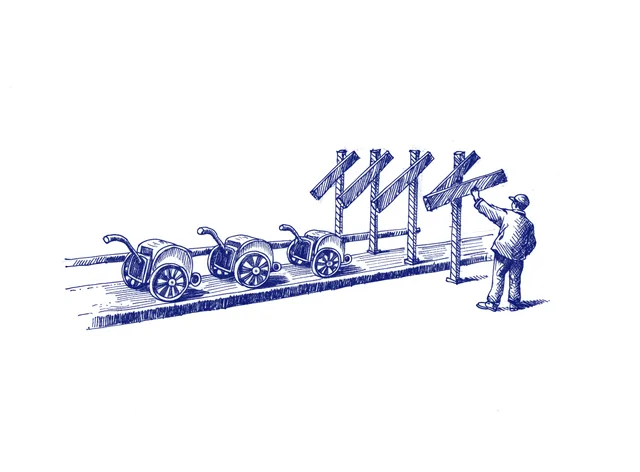
Vitória Toebe, María José Lalama and Amy Pellegrini at Thoughtworks (23 Oct · 02) describe Sensible Harness, a command-line tool their team built at a company hackathon. It runs delivery work with AI agents. The tool sets up three AI agents, for business analysis, development and testing, and enforces the limits between them itself. A person approves the development agent's plan before any code exists, and the approved plan is posted on the issue for whoever picks it up next. This is the team's account of its own tool, and its lesson is that standards hold only when the AI agent cannot skip them.
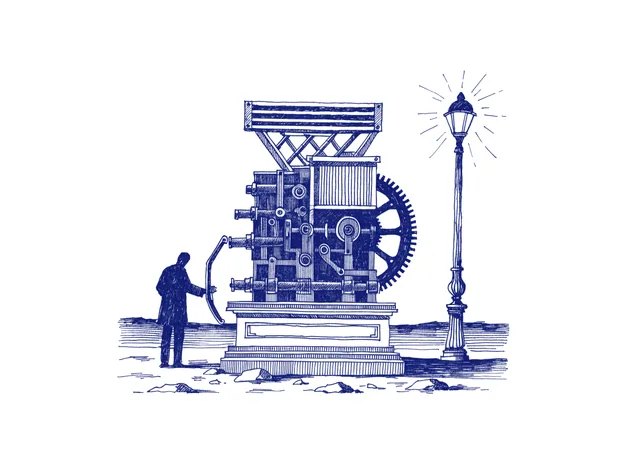
Kat Prince-Sayward, a principal in go-to-market analytics at the data company Snowflake (23 Oct · 03), scheduled AI agents to keep pull requests mergeable and answer review comments overnight. The work is split into a monitor, a review engine, a daily digest and a separate watchdog that can switch the review engine off. Ordinary code outside the AI agent decides whether a proposed fix may be pushed. The costliest lessons were runs that reported success while doing nothing, and a daily false alarm that taught the team to ignore a real failure. The piece describes Snowflake's own product, which is in public preview.
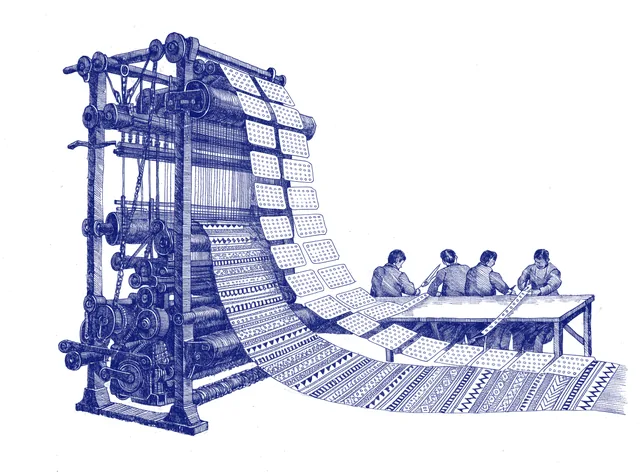
Goodpatch, a Japanese design company (23 Oct · 04), published an account by haru, a user interface designer, of four designers who spent six months building one product's design system by hand. They wrote usage rules for about 50 components, decided what the product never does, and kept Figma and code identical. They then added DESIGN.md files and Agent Skills so that AI tools read the same rules. Engineers on the team report that AI-generated screens are now usable as generated, and design reviews no longer spend time on padding.
Gabriela Naumnik founded the Product Management Society, a community of product managers (23 Oct · 05). She writes that AI brings product managers and designers together earlier without giving them the same job. The two review the research and test an AI-drafted prototype together, but the product manager approves scope and the designer approves usability, separately. Pricing changes, legal disclosures and account deletion stay behind a person's approval even in experiments. Her rule is that AI drafts and organises, and people approve and own the results.
In each case the rules were set before the AI agent ran, and kept where the agent can read them but not change them. The checking was done by a person or by ordinary code, never by the AI agent's own account of its work. Naumnik adds that drafting something gives no one the right to approve it. That moves effort to the start of the work and to whoever keeps the rules current.
Four of the five pieces come from companies that sell tools or services built on these methods, so the cost of writing and maintaining the rules may be understated. Goodpatch needed six months of four designers' time, which many product teams cannot spare, and Naumnik's piece is advice from her own practice, not one team's results.<br />
Himanshu Sharma at Thoughtworks has an AI assistant list a request's confirmed, assumed and unknown points before any user story is written, so that people make the product decisions.
A Thoughtworks team built Sensible Harness to run software delivery with three AI agents whose limits the tool enforces, and a person approves each plan before code is written.
Kat Prince-Sayward at Snowflake ran unattended AI agents on pull requests and learned to keep permission checks and the watchdog outside the AI agent itself.
Four designers on a product team at Goodpatch spent six months writing the product's design rules by hand, and AI-generated screens now match that product without manual fixes.
Gabriela Naumnik of the Product Management Society argues that AI brings product managers and designers together earlier, but each must keep its own sign-off, on scope and on usability.