Five pieces published between 11 and 13 September ask who checks work that AI helps to produce. In each, a person still has to check it against a source before others rely on it, and where nobody does, the users end up doing the checking.
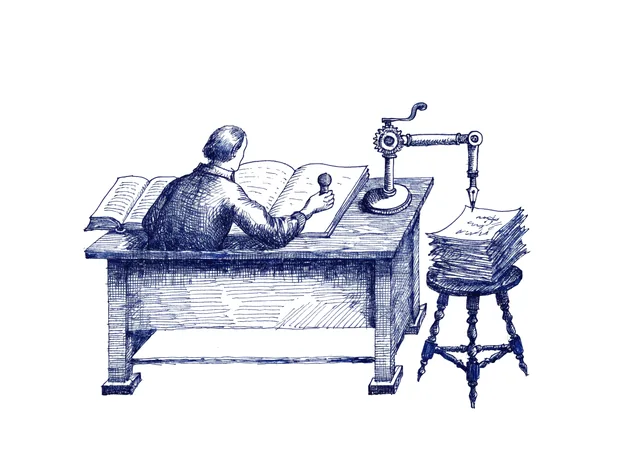
Raluca Budiu has edited articles for Nielsen Norman Group, a user-experience research and training firm, since 2013 (16 Sep · 01). Her editors now use AI to tighten prose, fit fixed formats and critique arguments. When the AI flags a doubtful claim, the editor or the author goes back to the source to check it. As she puts it, "AI never certifies that the claim is correct." Human experts still decide whether the firm puts its name behind an article.
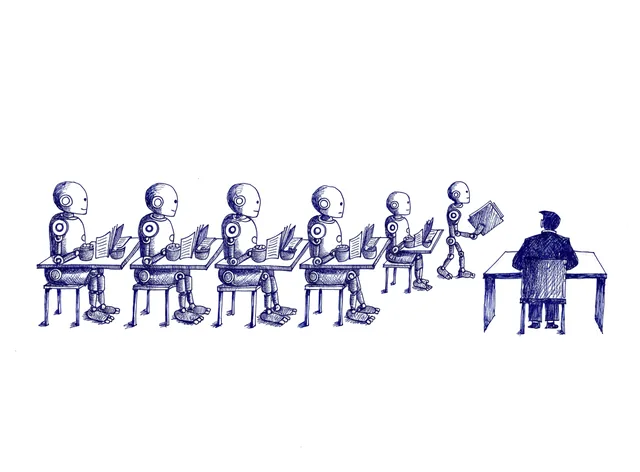
Pedro Franceschi, chief executive of Brex, told Peter Yang of the newsletter Behind the Craft how Brex sets up its AI agents (16 Sep · 02). Each agent is treated like a new employee: it owns one outcome, follows written instructions, works within a budget and passes unclear cases to a human manager. Brex's AI recruiter, Jim, finds and filters job candidates and hands a case to a person when unsure. Most of the interview is for paid subscribers, so this account rests on the open part.
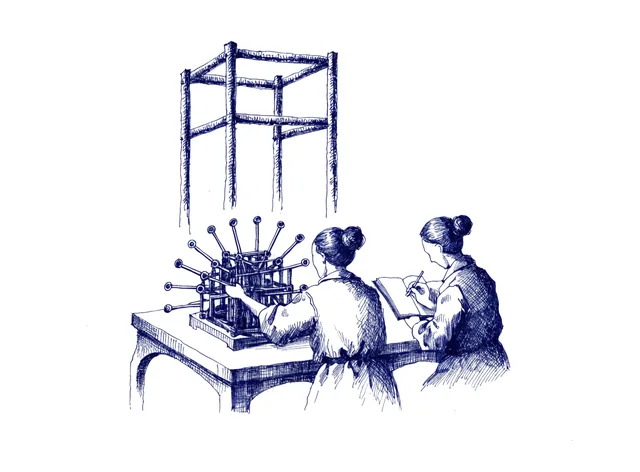
Megan Chan, also of Nielsen Norman Group, shows how AI tools let designers build working prototypes of complex interfaces and test them with users before engineers build anything (16 Sep · 03). A designer at Ramp, whose product manages company expenses, tested a new editor this way and found a confusing display that static screens would have hidden. Chan says someone with strong design knowledge should review such a prototype before it reaches production. A polished one, she warns, invites the question "This looks great, can we just ship this?"
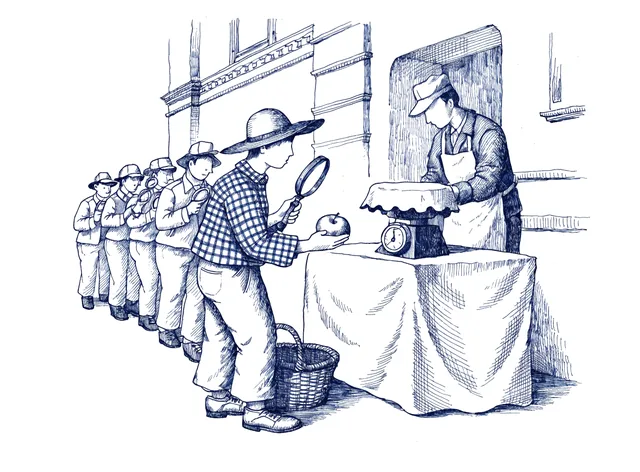
Pavel Samsonov, who writes the product newsletter The Product Picnic, looks at the same problem from the user's side (16 Sep · 04). AI has made scams and machine-written text cheap, so people now check whether each message, review or web page they meet is real. Some companies do that checking for their users, as the library-lending app Libby does with a filter for AI content. His argument is that when a company saves effort with AI, "that effort has just been shifted onto your users."
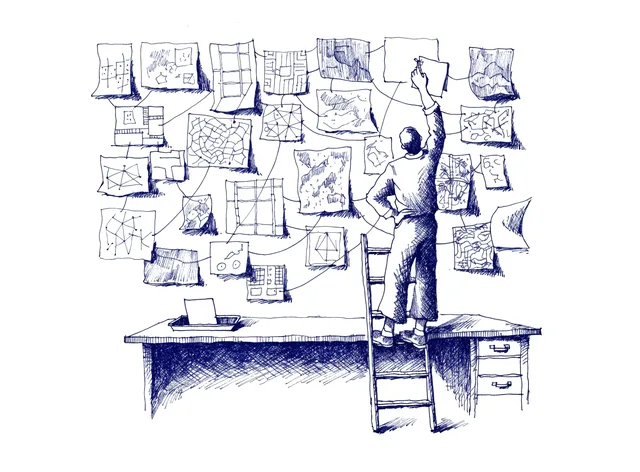
John Cutler, who writes the newsletter The Beautiful Mess, describes a day of learning a product in a new job (16 Sep · 05). In his experience, the maps, notes and documents that explain a product outnumber its work tickets by about eight to one, and he often cannot tell which are still current. AI tools answer his questions across them, but weakly, and only the code tells him for certain what the product does. He argues that creating and preserving this context gets too little attention.
AI now helps to write articles, run agents, build prototypes and answer questions about a product. In each piece, someone still has to check the output against a source before others rely on it. That person is an editor, a manager, a design reviewer or someone who keeps the documents current. Samsonov shows who does the checking when nobody inside the company does it: the users.
Four of the five pieces are one person's account of their own practice or opinion, and the Brex interview is mostly behind a paywall. A small team may have no editor or design reviewer to spare, and the check may become a formality.
Raluca Budiu, an editor at Nielsen Norman Group, explains that the firm uses AI to write and critique articles, but only a human expert decides whether it publishes them.
Pedro Franceschi, chief executive of Brex, says each AI agent should be set up like a new employee, with one job, written instructions, a human manager and a budget.
Megan Chan of Nielsen Norman Group shows designers using AI tools to test complex interfaces with users before engineers build them, and warns that a polished prototype is not finished.
Pavel Samsonov argues that AI has made scams and machine-written content so common that users now check everything they read, and that companies have shifted this effort onto them.
John Cutler, starting a new job, describes how hard it is to learn a product from its notes and maps, and argues that keeping such context current deserves more attention.